Anime and Japanese Culture: A Mutual Influence
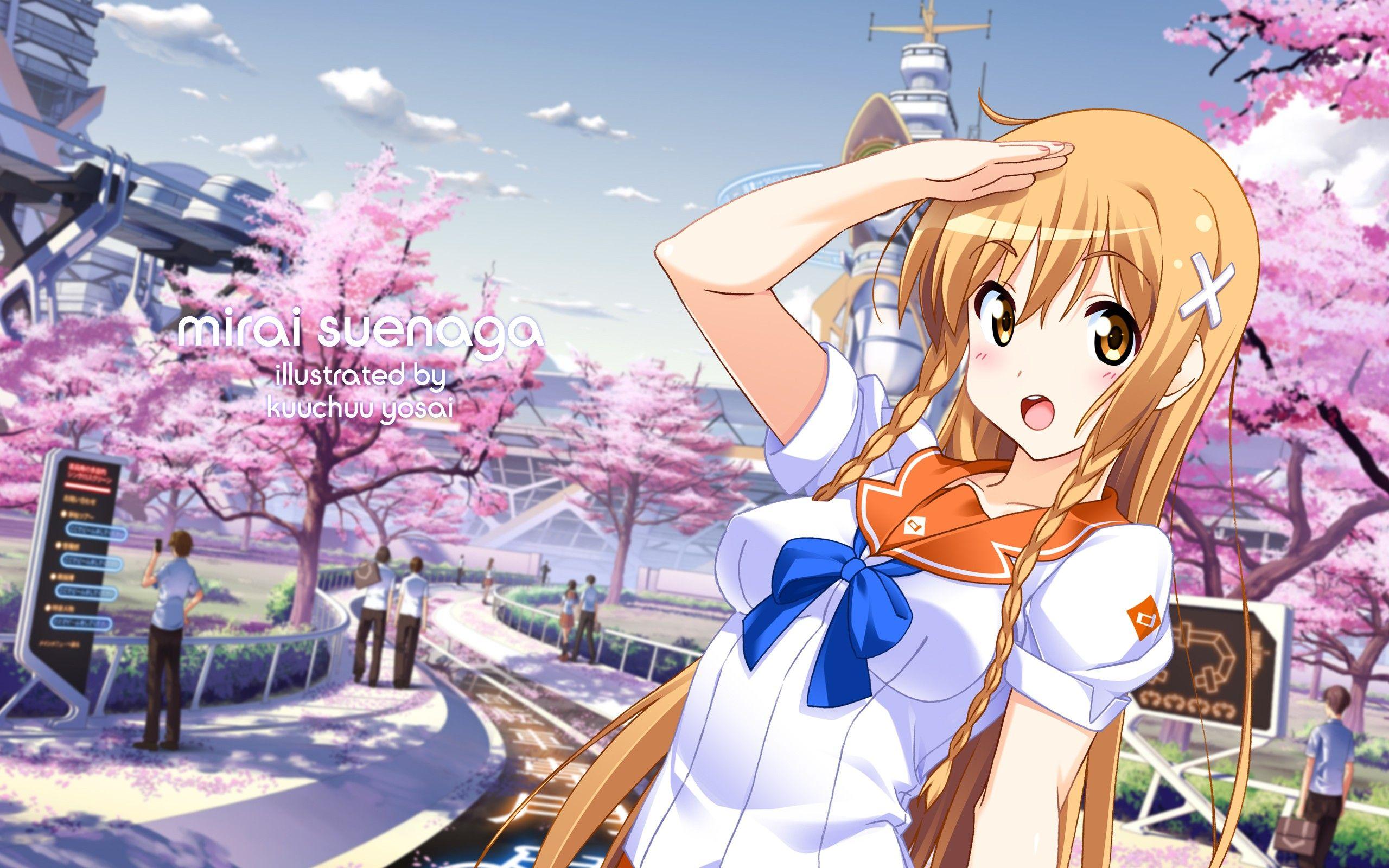
The Deep Connection Between Anime and Japanese Culture
Anime is not just a form of entertainment—it’s a reflection of Japanese culture, history, and society. At the same time, anime has become a powerful ambassador for Japanese culture, introducing audiences worldwide to Japanese traditions, values, and aesthetics. This symbiotic relationship between anime and Japanese culture has shaped both the medium itself and how Japan is perceived globally.
Traditional Japanese Culture in Anime
Anime frequently incorporates elements of traditional Japanese culture, ranging from folklore and mythology to everyday customs:
-
Japanese Folklore and Mythology: Many anime draw on traditional Japanese stories and characters
- Naruto: Features elements of Japanese ninja culture and mythology
- Inuyasha: Centers on yokai (supernatural creatures) from Japanese folklore
- Spirited Away: Draws heavily on Shinto beliefs and Japanese spirit mythology
-
Traditional Arts and Crafts: Anime often showcases traditional Japanese arts
- Hanasaku Iroha: Features a traditional Japanese inn (ryokan) and its customs
- Chihayafuru: Centers on the traditional Japanese card game karuta
- Natsume’s Book of Friends: Incorporates traditional Japanese aesthetics and storytelling
-
Seasonal Customs and Festivals: Anime frequently depicts Japanese seasonal traditions
- K-On!: Shows school festivals and cherry blossom viewing
- Clannad: Features traditional Japanese weddings and seasonal events
- Non Non Biyori: Depicts rural Japanese life and seasonal traditions
These elements not only add depth and authenticity to anime but also serve as a window into Japanese culture for international audiences.
Modern Japanese Society in Anime
Anime also reflects contemporary Japanese society, addressing social issues, trends, and everyday life:
-
School Life: The Japanese education system is a frequent setting
- My Hero Academia: Depicts Japanese high school life with a superhero twist
- A Silent Voice: Addresses bullying and social isolation in Japanese schools
- Toradora!: Explores relationships and social dynamics in a Japanese high school
-
Work Culture: Anime often portrays Japanese work life
- Wagnaria!!: A comedy set in a family restaurant
- Shirobako: Offers a behind-the-scenes look at the anime industry itself
- March Comes in Like a Lion: Explores the life of a professional shogi player
-
Social Issues: Some anime tackle contemporary social issues in Japan
- Welcome to the NHK: Addresses hikikomori (social withdrawal) and otaku culture
- Barakamon: Explores the relationship between urban and rural Japan
- Ore Monogatari!!: Challenges stereotypes about masculinity in Japanese society
By reflecting contemporary Japanese life, anime provides insight into the challenges, joys, and complexities of modern Japanese society.
Japanese Values and Philosophy in Anime
Anime often embodies traditional Japanese values and philosophical concepts:
-
Giri (Duty) and Ninjo (Human Feeling): The balance between obligation and personal desire
- Samurai Champloo: Explores the conflict between duty and personal freedom
- Rurouni Kenshin: Examines the weight of past actions and the desire for redemption
-
Mono no Aware (The Pathos of Things): The appreciation of transience and impermanence
- Your Lie in April: Explores the beauty and sadness of fleeting moments
- 5 Centimeters Per Second: Meditates on the passage of time and changing relationships
-
Wa (Harmony): The importance of group harmony and social cohesion
- Haikyuu!!: Emphasizes teamwork and collective effort in sports
- Hibike! Euphonium: Explores the dynamics of a high school concert band
-
Gaman (Endurance): Perseverance through hardship
- Naruto: Centers on overcoming adversity through determination
- Demon Slayer: Kimetsu no Yaiba: Emphasizes perseverance in the face of tragedy
These values, while rooted in Japanese culture, often resonate with audiences worldwide, demonstrating the universal appeal of anime’s themes.
Anime as a Cultural Ambassador
Anime has become one of Japan’s most effective cultural ambassadors, introducing Japanese culture to audiences worldwide:
- Cool Japan: The Japanese government has recognized anime as a key component of its “Cool Japan” cultural export initiative
- Tourism: Anime has become a significant driver of tourism to Japan, with fans visiting locations featured in their favorite series
- Language Learning: Interest in anime has motivated many people to learn Japanese
- Cultural Exchange: Anime conventions and fan communities create spaces for cross-cultural interaction
- Global Appreciation: Anime has fostered a greater appreciation for Japanese culture, art, and aesthetics worldwide
Through anime, millions of people around the world have developed an interest in Japanese culture that extends beyond the medium itself.
The Impact of Foreign Culture on Anime
While anime is deeply rooted in Japanese culture, it has also been influenced by foreign cultures:
-
Western Literature and Film: Many anime draw inspiration from Western sources
- Fullmetal Alchemist: Influenced by European industrial revolution aesthetics
- Attack on Titan: Features Western-inspired architecture and themes
- Black Butler: Set in Victorian England
-
Global Trends: Anime often incorporates global pop culture trends
- Tiger & Bunny: Combines Japanese superhero tropes with Western reality TV elements
- Carole & Tuesday: Addresses global issues like AI and environmentalism
-
International Collaboration: Co-productions with foreign studios bring new perspectives
- Neo Yokio: A collaboration between Japanese and American creators
- Dragon Pilot: Hisone and Masotan: Features international elements and settings
This cross-cultural exchange has enriched anime, making it a truly global art form while maintaining its Japanese identity.
The Aesthetics of Anime: A Japanese Perspective
The visual style of anime reflects Japanese artistic traditions and aesthetics:
- Manga Influence: The close relationship between anime and manga creates a distinctive visual style
- Kawaii (Cuteness): The emphasis on cute characters and designs reflects the Japanese concept of kawaii
- Ma (Negative Space): The use of empty space and quiet moments reflects traditional Japanese aesthetic principles
- Wabi-Sabi: The appreciation of imperfection and simplicity is evident in many anime
- Color Usage: The bold, vibrant colors often used in anime have roots in traditional Japanese art
These aesthetic choices give anime a unique visual identity that sets it apart from other forms of animation.
Anime and Japanese National Identity
Anime has become intertwined with Japanese national identity in complex ways:
- Soft Power: Anime has become a key component of Japan’s soft power, enhancing its global image
- National Pride: Many Japanese people take pride in anime as a distinctive cultural export
- Cultural Heritage: Anime is increasingly recognized as an important part of Japan’s contemporary cultural heritage
- Global Representation: Anime both reflects and shapes how Japan is perceived globally
- Generational Differences: Attitudes toward anime vary among different generations in Japan
While anime is not universally embraced within Japan, it has undoubtedly become an important part of how Japan presents itself to the world.
Controversies and Critiques
The relationship between anime and Japanese culture is not without controversy:
- Stereotypes: Some critics argue that anime perpetuates stereotypes about Japanese culture
- Cultural Authenticity: Debates about whether anime presents an accurate or idealized version of Japanese culture
- Export vs. Domestic: Tensions between creating anime for global audiences versus domestic Japanese viewers
- Cultural Appropriation: Concerns about how anime uses elements from other cultures
- Social Issues: Critiques of how anime addresses (or fails to address) certain social issues in Japan
These controversies highlight the complex relationship between anime as a commercial product, an art form, and a cultural ambassador.
The Future of Anime and Japanese Culture
As anime continues to evolve, its relationship with Japanese culture is likely to change:
- Globalization: Increasingly global audience and production may lead to more international influences
- Digital Media: New platforms and technologies may change how anime engages with Japanese culture
- Cultural Evolution: As Japanese society changes, anime will reflect these changes
- Preservation: Efforts to preserve traditional Japanese culture may influence anime content
- Innovation: Anime will continue to find new ways to express Japanese culture and aesthetics
Whatever the future holds, anime will likely remain deeply connected to Japanese culture while continuing to evolve as a global art form.
Conclusion
The relationship between anime and Japanese culture is a dynamic, mutual exchange. Anime draws on traditional and contemporary Japanese culture for inspiration, while also shaping how Japanese culture is perceived both within Japan and worldwide.
Through its stories, visuals, and themes, anime offers a multifaceted window into Japanese culture, from ancient traditions to modern social issues. At the same time, anime has become a powerful cultural ambassador, introducing Japanese culture to audiences around the world and fostering cross-cultural understanding.
As anime continues to grow in global popularity, its role as both a reflection of Japanese culture and a shaper of global perceptions will become increasingly important. By balancing its Japanese roots with global appeal, anime has created a unique cultural space that transcends borders while remaining distinctly Japanese.
The story of anime and Japanese culture is not just about entertainment—it’s about how art can bridge cultures, foster understanding, and celebrate the richness of human experience.