Anime and Mental Health: Exploring Emotional Wellness
The Emotional Impact of Anime
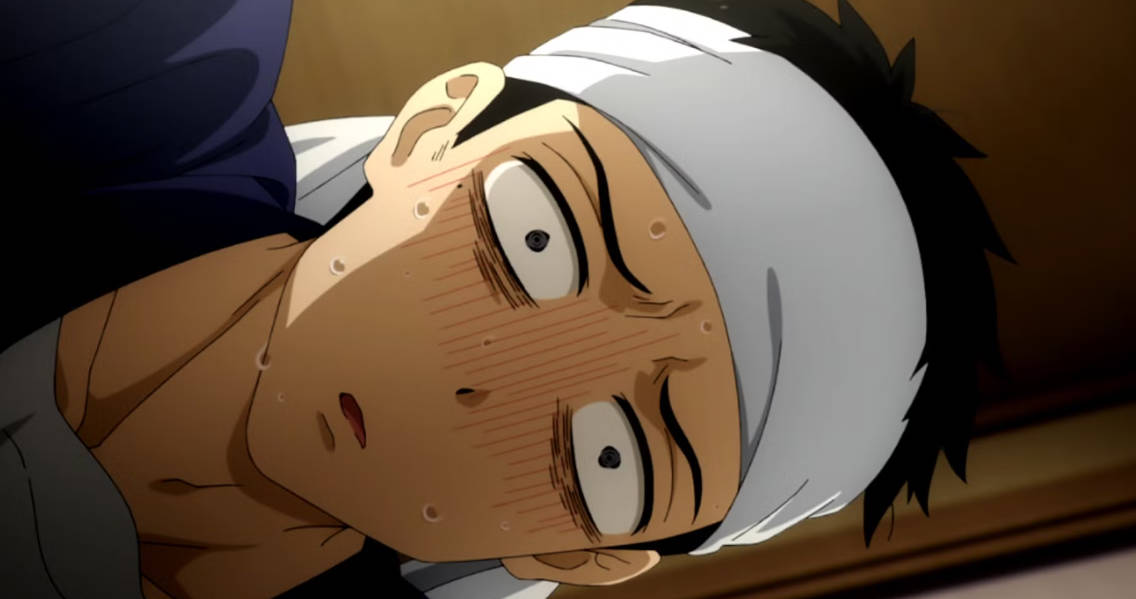
Anime has long been recognized for its ability to explore complex emotional themes and mental health issues with sensitivity and depth. From depression and anxiety to trauma and recovery, anime has tackled topics that are often stigmatized or overlooked in other forms of media. This exploration of mental health not only provides representation for those struggling but also helps foster understanding and empathy among viewers.
Anime’s Unique Approach to Mental Health
Anime approaches mental health in ways that are distinct from other media:
- Psychological Depth: Many anime series delve deeply into characters’ internal struggles and thought processes
- Visual Metaphors: Uses visual imagery to represent internal states and emotions
- Slow Pacing: Allows time for emotional development and healing processes
- Cultural Context: Explores mental health within the context of Japanese culture and societal expectations
- Genre Blending: Incorporates mental health themes into various genres, from slice-of-life to fantasy
This unique approach allows anime to tackle mental health issues in nuanced and meaningful ways that resonate with viewers.
Depression and Anxiety in Anime
Anime has portrayed depression and anxiety with remarkable sensitivity:
- A Silent Voice (2016): Explores social anxiety, guilt, and redemption through the story of a former bully and his victim
- March Comes in Like a Lion (2016-2018): Follows a young shogi player struggling with depression and finding healing through new relationships
- Welcome to the NHK (2006): Depicts a hikikomori (shut-in) struggling with social anxiety and paranoia
- Flowers of Evil (2013): Explores adolescent anxiety, alienation, and the pressure to conform
- Nagi-Asu: A Lull in the Sea (2013-2014): Addresses grief, loneliness, and the challenges of adolescence
These series validate the experiences of those struggling with depression and anxiety, showing that they are not alone in their struggles.
Trauma and Recovery in Anime
Anime also explores the impact of trauma and the process of recovery:
- Neon Genesis Evangelion (1995-1996): Delves into the psychological trauma of its characters against the backdrop of a mecha series
- Berserk (1997): Follows a warrior haunted by trauma and his journey toward healing
- Violet Evergarden (2018): Centers on a former child soldier learning to process her trauma and understand emotions
- Demon Slayer: Kimetsu no Yaiba (2019-present): Explores the trauma of losing family and the path to revenge and healing
- Wolf’s Rain (2003): Addresses themes of loss, grief, and finding purpose after trauma
These series show that recovery is possible, even after experiencing profound trauma, and that healing often comes through connection with others.
Identity and Self-Acceptance
Many anime series explore issues of identity and self-acceptance:
- My Hero Academia (2016-present): Addresses self-doubt and the journey to self-acceptance through its diverse cast of characters
- Mob Psycho 100 (2016-2022): Follows a young esper learning to accept himself and his powers
- Kimi ni Todoke (2009-2011): Explores social anxiety and the journey to self-confidence
- Hori-san to Miyamura-kun (2021): Examines the masks people wear and the journey to authentic self-expression
- Given (2019): Addresses grief, sexuality, and self-acceptance within the context of a boys’ band
These series encourage viewers to embrace their authentic selves and find value in their unique qualities.
Social Isolation and Connection
Anime frequently explores the pain of social isolation and the healing power of connection:
- ReLIFE (2016): Follows a NEET (Not in Education, Employment, or Training) given a second chance at high school
- Barakamon (2014): Shows a calligrapher finding connection and healing in a rural community
- Non Non Biyori (2013-2018): Portrays the beauty of connection in a small rural town
- K-On! (2009-2010): Explores the bonds of friendship formed in a high school music club
- Clannad (2007-2008): Emphasizes the importance of family and community in overcoming adversity
These series highlight the importance of human connection in maintaining mental health and finding meaning in life.
Anime as a Form of Therapy
For many viewers, anime can serve as a form of therapy:
- Emotional Validation: Seeing characters with similar struggles can validate viewers’ experiences
- Catharsis: Watching characters overcome challenges can provide emotional release
- Perspective Shift: Anime can offer new perspectives on personal struggles
- Hope: Stories of recovery and resilience can instill hope in viewers
- Community: Sharing anime experiences with others can create a sense of belonging
While anime is not a substitute for professional therapy, it can be a valuable complement to mental health care.
Controversies and Cautions
While anime can be a positive force for mental health, there are also potential concerns:
- Glorification of Suffering: Some series may romanticize or glorify mental health struggles
- Unrealistic Portrayals: Recovery may be portrayed as quicker or easier than it is in real life
- Triggering Content: Some anime may contain content that triggers distress in viewers with certain experiences
- Cultural Differences: Mental health is understood differently in Japanese culture, which may lead to misunderstandings
- Escapism: Excessive use of anime as a form of escapism may interfere with addressing real-life issues
Viewers should approach anime critically and be mindful of how it affects their mental health.
Anime and Mental Health Advocacy
Anime has also become a platform for mental health advocacy:
- Awareness Campaigns: Uses anime characters and themes in mental health awareness campaigns
- Charity Events: Anime conventions hosting mental health workshops and charity drives
- Fan Communities: Online communities providing support for those struggling with mental health issues
- Creator Advocacy: Anime creators speaking openly about their own mental health struggles
- Educational Resources: Using anime examples in mental health education
These advocacy efforts help reduce stigma and promote mental health awareness within anime communities and beyond.
The Role of Fans and Communities
Anime fans and communities play an important role in supporting mental health:
- Peer Support: Providing emotional support to fellow fans struggling with mental health issues
- Resource Sharing: Sharing information about mental health resources and services
- Destigmatization: Creating safe spaces to discuss mental health without judgment
- Creative Expression: Using fan art, fan fiction, and other creative activities as a form of self-expression and healing
- Community Events: Organizing events focused on mental health and well-being
These community efforts create a supportive network for fans and help foster a culture of mental health awareness within anime fandom.
The Future of Mental Health Representation in Anime
As mental health awareness grows globally, anime is likely to continue evolving in its portrayal of mental health:
- More Diverse Representations: Depicting a wider range of mental health conditions and experiences
- Greater Accuracy: More research-based and accurate portrayals of mental health issues
- Focus on Prevention: Exploring ways to prevent mental health issues before they develop
- Intersectionality: Addressing how mental health intersects with other identities and experiences
- International Collaboration: Collaborations between Japanese creators and mental health experts from around the world
The future of mental health representation in anime looks promising, with increasing awareness and sensitivity to these important issues.
Conclusion
Anime has emerged as a powerful medium for exploring mental health issues with depth, sensitivity, and nuance. Its unique storytelling techniques and visual language allow it to tackle complex emotional themes in ways that resonate with viewers around the world.
From depression and anxiety to trauma and recovery, anime has provided representation for those struggling with mental health issues, fostering understanding and empathy among viewers. It has also created a platform for mental health advocacy and support within fan communities.
While anime is not a substitute for professional mental health care, it can be a valuable complement, providing validation, catharsis, and hope to those who need it. As mental health awareness continues to grow, anime is likely to play an increasingly important role in promoting emotional wellness and reducing stigma around mental health issues.
Ultimately, anime reminds us that we are not alone in our struggles, that recovery is possible, and that connection with others is one of the most powerful healing forces of all.