Anime and Technology: A Mutual Evolution
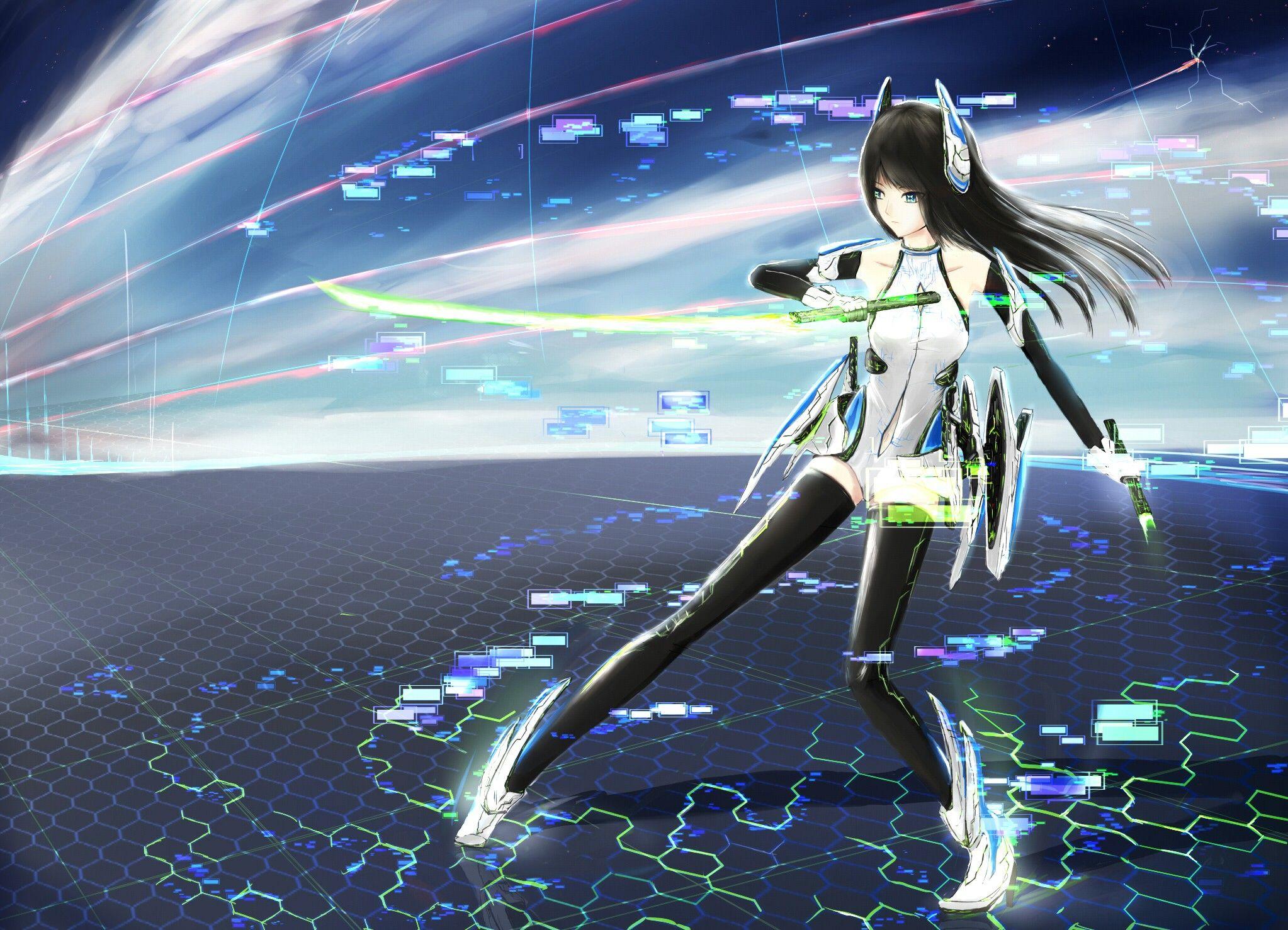
How Anime and Technology Have Shaped Each Other
Anime and technology have a long and intertwined history, with each influencing the other in profound ways. From the earliest hand-drawn animations to today’s cutting-edge digital productions, technology has transformed how anime is created, distributed, and consumed. At the same time, anime has often served as a showcase for futuristic technologies, predicting and inspiring innovations that would later become reality.
The Early Technological Innovations
The history of anime is marked by technological innovations that pushed the medium forward:
- Celluloid Animation: The adoption of cel animation in the 1930s allowed for more efficient production
- Limited Animation: Osamu Tezuka’s innovation of limited animation in the 1960s reduced costs while maintaining quality
- Multiplane Camera: Used to create depth in films like The Tale of the White Serpent (1958)
- Stereoscopic 3D: Early experiments with 3D animation in the 1980s
These early technologies laid the foundation for the anime industry, making it possible to produce longer, more complex works.
The Digital Revolution
The transition from analog to digital technology was a transformative moment for anime:
- 1980s-1990s: The introduction of digital ink and paint systems
- 2000s: The widespread adoption of digital compositing and editing
- 2010s: The integration of 3D CGI with traditional 2D animation
- Today: Real-time rendering and other cutting-edge technologies
This digital revolution has not only made production more efficient but has also opened up new creative possibilities, allowing for more complex visuals and special effects.
Anime as a Technological Showcase
Anime has long been a platform for showcasing futuristic technologies and ideas:
- Cyberpunk: Series like Ghost in the Shell (1995) explored cyborgs, artificial intelligence, and the internet before these technologies were mainstream
- Space Travel: Anime like Mobile Suit Gundam (1979) and Cowboy Bebop (1998) depicted space travel and colonization
- Virtual Reality: Sword Art Online (2012) popularized the concept of full-dive VR before consumer VR headsets were widely available
- Artificial Intelligence: Serial Experiments Lain (1998) explored the nature of consciousness in a digital age
Anime has often served as a kind of technological prophecy, predicting and inspiring real-world innovations.
The Impact of Streaming Technology
Streaming technology has revolutionized how anime is distributed and consumed:
- Global Accessibility: Streaming services have made anime instantly accessible worldwide
- Simulcasting: The practice of streaming anime episodes shortly after they air in Japan
- Recommendation Algorithms: Helping viewers discover new anime based on their preferences
- Interactive Features: Some platforms offer interactive elements like comment sections and viewing statistics
- High-Definition Quality: Streaming has enabled the widespread distribution of high-quality anime
Streaming has not just changed how fans watch anime—it has transformed the business model of the entire industry.
Social Media and Fan Engagement
Social media has created new opportunities for fan engagement and community building:
- Fan Art and Cosplay: Platforms like Twitter and Instagram allow fans to share their creations
- Live Reactions: Fans can discuss episodes in real-time as they air
- Fan Theories and Analysis: Communities dedicated to dissecting and analyzing anime
- Direct Interaction: Some creators and voice actors engage directly with fans on social media
- Viral Marketing: Anime can gain popularity quickly through social media sharing
Social media has democratized anime fandom, allowing fans to participate in the culture in ways that were not possible before.
Artificial Intelligence in Anime Production
AI technology is beginning to make its mark on the anime industry:
- AI-Assisted Animation: Tools that can automatically inbetween frames or colorize sketches
- Character Design: AI systems that can generate character designs based on parameters
- Background Generation: AI that can create detailed backgrounds from simple sketches
- Voice Synthesis: Synthetic voices that can be used for minor characters or in dubs
- Script Writing: Experimental AI systems that can generate basic storylines
While AI has the potential to make production more efficient, it also raises questions about creativity, authenticity, and the future of human labor in the industry.
Virtual Reality and Augmented Reality Experiences
VR and AR technologies are creating new ways to experience anime:
- VR Anime: Immersive experiences that place viewers inside anime worlds
- AR Apps: Applications that overlay anime characters or elements onto the real world
- Virtual Concerts: VR performances featuring virtual idols or anime characters
- Interactive Experiences: Games and experiences that allow users to interact with anime elements
- Virtual Conventions: Online events that replicate the convention experience in VR
These technologies are blurring the line between viewer and participant, creating more immersive anime experiences.
The Future of Anime Technology
The anime industry is poised to adopt even more advanced technologies in the future:
- Real-Time Animation: Technologies that allow for instant animation based on motion capture
- Haptic Feedback: Systems that provide physical feedback to enhance VR anime experiences
- Brain-Computer Interfaces: The possibility of direct neural interaction with anime content
- Generative AI: More sophisticated AI systems that can create entire anime episodes
- Blockchain and NFTs: New models for ownership and distribution of anime content
These technologies could fundamentally change how anime is created, distributed, and experienced.
Ethical and Social Implications
The intersection of anime and technology raises important ethical and social questions:
- Labor Displacement: Will AI and automation reduce the need for human animators?
- Digital Divide: Will new technologies create inequities in access to anime?
- Privacy Concerns: How will data from streaming and social media be used?
- Authenticity: What does it mean for anime if AI becomes heavily involved in creation?
- Cultural Impact: How will new technologies affect the cultural significance of anime?
These questions will need to be addressed as technology continues to evolve.
Case Studies: Technology in Action
Several anime series have prominently featured or been influenced by technology:
- Ghost in the Shell: Both the original manga and anime explored themes of technology and identity, and the production itself used cutting-edge animation techniques
- Summer Wars: Depicted a virtual world that anticipated many aspects of modern social media
- Carole & Tuesday: Explored the relationship between human creativity and AI-generated music
- BEASTARS: Used 3D CGI animation to create a unique visual style
- Japan Sinks 2020: Used digital animation techniques to depict disaster scenarios with unprecedented realism
These series demonstrate how technology can both shape and be shaped by anime.
The Human Element: Technology and Creativity
Despite the increasing role of technology, the human element remains central to anime:
- Creative Vision: Technology is a tool, but the creative vision comes from human artists
- Emotional Connection: The emotional impact of anime comes from human storytelling
- Cultural Context: Technology must be situated within cultural contexts to be meaningful
- Community: The social aspects of anime fandom remain fundamentally human
- Evolution: The relationship between anime and technology is an evolving dialogue, not a one-way street
Technology may change how anime is created and consumed, but it is the human creativity and connection that makes anime meaningful.
Conclusion
The relationship between anime and technology is a complex and mutually beneficial one. Technology has transformed every aspect of anime, from production to distribution to consumption. At the same time, anime has served as a platform for exploring technological possibilities, inspiring innovation, and reflecting on the impact of technology on society.
As technology continues to evolve, so too will anime. New technologies will create new creative possibilities, new ways to experience anime, and new questions to explore. But through it all, the core of anime—compelling storytelling, artistic expression, and human connection—will remain unchanged.
The future of anime and technology is likely to be one of continued innovation and mutual inspiration. As we look ahead, we can expect to see anime that is more visually stunning, more immersive, and more responsive to audience preferences, all while continuing to explore the human condition in all its complexity.
Whether through cutting-edge digital animation, immersive VR experiences, or AI-assisted production, anime will continue to adapt to new technologies while maintaining the unique identity that has made it a beloved global phenomenon.