Anime and the Environment: Ecological Messages in Animation
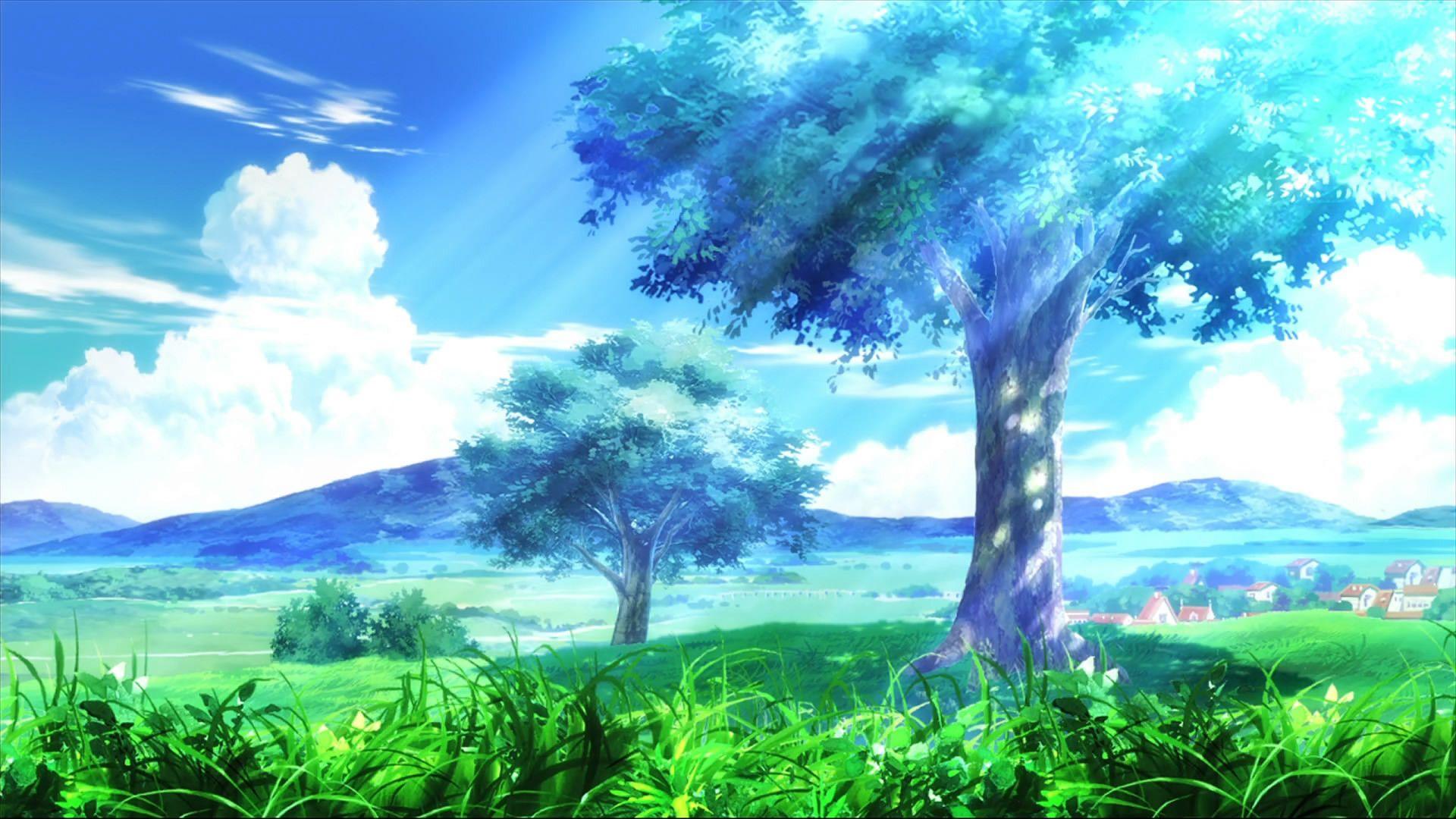
Nature’s Voice in Anime
Anime has long been a powerful medium for exploring environmental themes and ecological concerns. From Studio Ghibli’s iconic environmentalist films to lesser-known series that highlight ecological issues, anime has consistently raised awareness about humanity’s relationship with the natural world. These ecological messages resonate with viewers around the world, encouraging them to consider their own impact on the environment.
The Roots of Environmentalism in Anime
Environmental themes in anime have their roots in Japanese culture and history:
- Shinto Beliefs: The traditional Japanese belief system that emphasizes the sacredness of nature and the interconnectedness of all living things
- Post-War Recovery: Japan’s rapid industrialization and its environmental consequences following World War II
- Economic Growth and Pollution: The environmental damage caused by Japan’s economic miracle in the 1960s and 1970s
- Natural Disasters: Japan’s vulnerability to earthquakes, tsunamis, and other natural disasters, which has fostered a deep respect for nature’s power
These cultural and historical factors have shaped anime’s unique perspective on environmental issues.
Studio Ghibli: Environmental Champions
Studio Ghibli has been at the forefront of environmental storytelling in anime:
- Nausicaä of the Valley of the Wind (1984): Hayao Miyazaki’s breakthrough film about a princess trying to mediate between humans and a toxic forest
- My Neighbor Totoro (1988): Celebrates the wonder of nature and the importance of preserving it through the story of two girls and a forest spirit
- Princess Mononoke (1997): A epic conflict between industrialization and nature, featuring gods of the forest and a young warrior caught in the middle
- Spirited Away (2001): Contains subtle environmental messages about balance and respect for the natural world
- Ponyo (2008): Explores the relationship between humans and the ocean through the story of a goldfish who wants to become human
Studio Ghibli’s films have been instrumental in bringing environmental messages to a global audience, combining beautiful animation with powerful ecological themes.
Dystopian Futures and Environmental Collapse
Many anime series depict dystopian futures resulting from environmental collapse:
- Akira (1988): Set in a post-apocalyptic Neo-Tokyo, implicitly warning about the dangers of unchecked technological advancement
- Ergo Proxy (2006): Takes place in a domed city after an environmental catastrophe has made the Earth’s surface uninhabitable
- Blue Submarine No. 6 (1998): Depicts a world where the oceans have risen and humanity is at war with aquatic creatures
- Casshern Sins (2008): Set in a world where the environment has collapsed and robots wage war on humans
- Cowboy Bebop: The Movie (2001): Features a bioterrorist threat that highlights the dangers of biological weapons and environmental manipulation
These dystopian visions serve as cautionary tales about the consequences of environmental neglect and technological hubris.
Harmony with Nature in Anime
Some anime series explore the concept of living in harmony with nature:
- Mushishi (2005-2014): Follows a mushishi (spirit doctor) who mediates between humans and nature spirits, emphasizing balance and respect
- Non Non Biyori (2013-2018): Celebrates rural life and the changing seasons, showing humans living in harmony with nature
- Silver Spoon (2013-2014): Explores the realities of agriculture and sustainable food production through the story of a city boy attending an agricultural high school
- Laid-Back Camp (2018-present): Celebrates the joys of camping and appreciating nature through the story of high school girls who go camping
- Natsume’s Book of Friends (2008-2017): Features a boy who can see yokai (spirits) and his efforts to reconcile humans and nature
These series offer positive visions of how humans can live in harmony with the natural world, rather than dominating or destroying it.
Climate Change and Global Warming in Anime
Anime has also addressed climate change and global warming:
- 5 Centimeters Per Second (2007): While primarily a love story, it contains subtle references to climate change and its impact on cherry blossoms
- Weathering With You (2019): Makoto Shinkai’s film about a boy who meets a girl with the power to control the weather, set against the backdrop of increasingly extreme weather in Tokyo
- Earth Maiden Arjuna (2001): A direct response to climate change, featuring a girl chosen to save the Earth from environmental destruction
- The Day the Earth Stood Still (2008): An anime adaptation of the classic film, updated to address contemporary environmental concerns
- Japan Sinks: 2020 (2020): Depicts the aftermath of a catastrophic earthquake and tsunami, exploring how humans respond to natural disasters in an era of climate change
These series raise awareness about climate change and its potential consequences, encouraging viewers to take action.
Environmental Activism in Anime
Some anime series feature environmental activists as protagonists:
- Nausicaä of the Valley of the Wind: Nausicaä is a proto-environmental activist, working to protect both her people and the toxic forest
- Princess Mononoke: San (the titular princess) lives with the forest gods and fights against human encroachment
- The Wind Rises (2013): While not explicitly about environmentalism, it raises questions about the responsibility of scientists and engineers to consider the environmental impact of their work
- Macross Frontier (2008-2009): Features characters who work to protect indigenous life forms on a newly colonized planet
- Eureka Seven (2005-2006): Follows a group of rebels who fight against a corporation that is exploiting the environment
These characters serve as role models for viewers, demonstrating the importance of standing up for the environment.
The Visual Representation of Nature in Anime
Anime often portrays nature with remarkable beauty and detail:
- Background Art: Meticulously detailed backgrounds that capture the beauty of natural landscapes
- Seasonal Changes: Careful depiction of the changing seasons and their impact on the environment
- Natural Phenomena: Stunning animations of sunsets, waterfalls, and other natural phenomena
- Symbolism: Use of natural elements as symbols for emotional states or narrative themes
- Contrast: Juxtaposition of natural beauty with industrial blight to highlight environmental degradation
This visual attention to nature helps viewers develop an appreciation for the natural world and a desire to protect it.
The Global Impact of Environmental Anime
Environmental anime has had a significant impact around the world:
- Raising Awareness: Introducing viewers to environmental issues and their urgency
- Changing Attitudes: Shifting public perception about humanity’s relationship with nature
- Inspiring Action: Encouraging viewers to adopt more environmentally friendly behaviors
- Educational Value: Teaching viewers about ecosystems, biodiversity, and environmental science
- Cultural Exchange: Sharing Japanese perspectives on environmental issues with global audiences
Anime has proven to be an effective medium for environmental education and advocacy, reaching audiences that might not otherwise engage with these issues.
Controversies and Complexities
The environmental messages in anime are not without controversy:
- Technophobia: Some critics argue that anime’s environmental messages can be overly anti-technology
- Romanticization: Criticisms that anime sometimes romanticizes a return to traditional ways of life that may not be feasible
- Cultural Differences: Environmental issues are perceived differently in different cultures, which can lead to misunderstandings
- Practical Solutions: Some critics argue that anime raises awareness but doesn’t offer practical solutions to environmental problems
- Corporate Interests: Tensions between anime’s environmental messages and the commercial interests of the industry
These controversies highlight the complexity of environmental issues and the challenges of addressing them through storytelling.
The Future of Environmental Anime
As environmental issues become increasingly urgent, anime is likely to continue evolving in its approach to these themes:
- Climate Fiction (Cli-Fi): More anime that specifically addresses climate change and its consequences
- Solutions-Oriented Stories: More emphasis on practical solutions to environmental problems
- Intersectional Environmentalism: Exploration of how environmental issues intersect with social justice, economics, and other fields
- Technological Optimism: More balanced portrayals of technology as a potential solution to environmental problems
- Global Collaboration: International collaborations that address environmental issues from multiple cultural perspectives
The future of environmental anime promises to be both timely and thought-provoking, continuing to raise awareness about environmental issues while exploring new approaches to storytelling.
Conclusion
Anime has emerged as a powerful medium for exploring environmental themes and promoting ecological awareness. From Studio Ghibli’s iconic films to dystopian cautionary tales, anime offers a diverse range of perspectives on humanity’s relationship with the natural world.
What makes anime particularly effective for environmental storytelling is its ability to combine beautiful visuals with compelling narratives, creating emotional connections to environmental issues that transcend cultural boundaries. By depicting both the beauty of nature and the consequences of its destruction, anime encourages viewers to appreciate and protect the natural world.
As environmental issues become increasingly urgent, anime will likely continue to play an important role in raising awareness and inspiring action. Its unique blend of entertainment and education makes it an ideal medium for engaging viewers with complex environmental issues and encouraging them to consider their own impact on the planet.
Whether through epic conflicts between humans and nature spirits or quiet celebrations of rural life, anime reminds us of the importance of living in harmony with the natural world and the urgent need to protect it for future generations.