Anime Fandom: Culture, Communities, and Identity
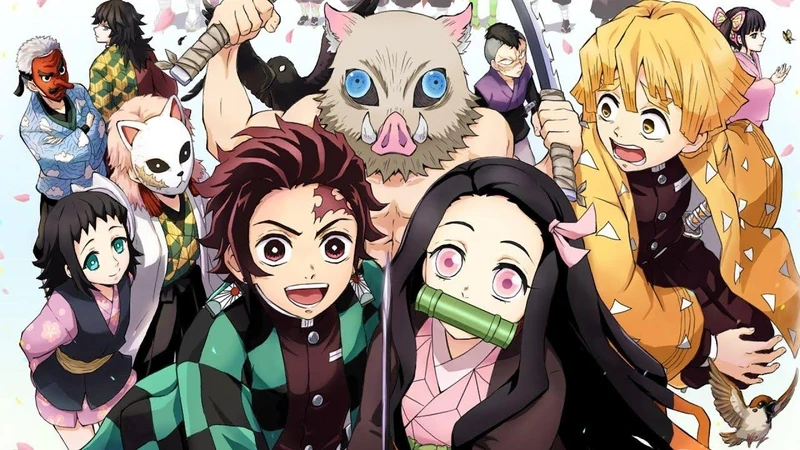
The Vibrant World of Anime Fans
Anime fandom has evolved from small local communities to a global phenomenon, creating a rich culture that extends far beyond watching animated shows. This fandom culture is characterized by passionate communities, creative expression, and a strong sense of identity that binds fans together across geographic and cultural boundaries.
The Birth of Anime Fandom
Anime fandom as we know it today has its roots in the 1970s and 1980s:
- Early Fan Clubs: Small groups of fans who gathered to watch imported anime on VHS
- Fan Subtitles (Fansubs): The practice of translating and subtitling anime for non-Japanese speakers, often distributed through mail or at conventions
- First Conventions: Events like Anime Expo (1992) and Otakon (1994) that brought fans together
- Mail-Order Distributors: Companies that specialized in importing anime and manga
These early fan activities laid the foundation for the vibrant fandom culture that exists today.
The Structure of Anime Fandom
Anime fandom is a diverse and complex community with many different subcultures and activities:
- Conventions: Large gatherings where fans meet, cosplay, attend panels, and buy merchandise
- Online Communities: Forums, social media groups, and fan sites dedicated to specific series or aspects of anime
- Cosplay: The practice of dressing up as anime characters
- Fan Art: Original artwork created by fans, often shared online or at conventions
- Fan Fiction: Stories written by fans that expand on or reimagine anime universes
- AMVs (Anime Music Videos): Fan-created videos that set anime footage to music
- Doujinshi: Self-published fan comics, often sold at conventions
These activities allow fans to engage with anime in creative and meaningful ways beyond simply watching the shows.
Cosplay: Bringing Characters to Life
Cosplay is one of the most visible and beloved aspects of anime fandom:
- Costume Creation: The process of designing and creating costumes, often requiring significant skill and dedication
- Cosplay Competitions: Events at conventions where cosplayers showcase their work
- Cosplay Photography: Professional and amateur photography of cosplayers in character
- Cosplay Communities: Groups of cosplayers who share tips, materials, and experiences
- Cosplay Etiquette: Unwritten rules about respect, consent, and appropriate behavior
Cosplay allows fans to embody their favorite characters and express their creativity, creating a tangible connection to the anime they love.
Online Fandom: Communities in the Digital Age
The internet has transformed anime fandom, creating global communities that transcend geographic boundaries:
- Social Media: Platforms like Twitter, Instagram, and TikTok where fans share content and connect
- Streaming Communities: Discussion groups and live chats during anime streaming
- Fan wikis: Collaborative databases of information about anime series
- Fan Translation Groups: Teams that translate manga, light novels, and other anime-related content
- Virtual Conventions: Online events that replicate the convention experience
The internet has made it easier than ever for fans to connect with each other and access anime-related content, regardless of where they live.
Fandom and Identity
Anime fandom often plays an important role in fans’ personal identities:
- Sense of Belonging: Finding a community where one feels understood and accepted
- Self-Expression: Using anime and fandom as a way to express one’s personality and interests
- Identity Formation: Particularly for adolescents, fandom can be a space for exploring identity
- Cultural Capital: Knowledge of anime and fandom practices as a form of social currency within the community
- Escapism: Using anime and fandom as a respite from the pressures of everyday life
For many fans, anime fandom is not just a hobby—it’s a central part of who they are.
The Dark Side of Fandom
While anime fandom is generally a positive community, it is not without its challenges:
- Toxic Behavior: Harassment, gatekeeping, and other negative behaviors
- Fandom Wars: Conflicts between fans of different series or shipping preferences
- Copyright Issues: Illegal distribution of anime and unauthorized use of intellectual property
- Mental Health: Issues like obsessive behavior or social isolation in extreme cases
- Misrepresentation: Negative stereotypes about anime fans in mainstream media
These challenges highlight the need for community guidelines, moderation, and open dialogue about appropriate behavior.
The Globalization of Fandom
Anime fandom has become increasingly global, with communities forming around the world:
- Regional Differences: Different approaches to fandom in different parts of the world
- Cultural Exchange: Fans from different countries sharing their perspectives and traditions
- International Conventions: Events that attract fans from multiple countries
- Language Barriers: Efforts to overcome language differences through translation and shared enthusiasm
- Global Fan Projects: Collaborative efforts that bring fans from around the world together
The globalization of fandom has created a rich tapestry of perspectives and practices, making anime fandom more diverse than ever before.
Fandom and the Industry
The relationship between anime fans and the industry is complex and mutually beneficial:
- Fan Feedback: Studios and creators often listen to fan feedback when developing new content
- Grassroots Marketing: Fans help promote anime through word of mouth and social media
- Merchandise Demand: Fan interest drives the creation of new merchandise
- Licensing Decisions: Fan popularity influences which series get licensed and distributed internationally
- Industry Engagement: Creators and voice actors often interact with fans at conventions and online
This relationship has become increasingly important as the industry has globalized, with fans playing an active role in shaping the future of anime.
Generational Differences in Fandom
Anime fandom has evolved across generations, with each generation experiencing anime differently:
- First Wave (1970s-1980s): Fans who discovered anime through imported VHS tapes and early television broadcasts
- Second Wave (1990s-2000s): Fans who grew up with Toonami and other dedicated anime programming blocks
- Third Wave (2010s-Present): Fans who have always had access to streaming services and online communities
These generational differences create a diverse fandom with multiple perspectives and experiences.
The Future of Anime Fandom
As anime continues to evolve, so too will its fandom:
- Technological Integration: New technologies like VR and AI creating new ways to engage with anime
- Increasing Mainstream Acceptance: Anime becoming more integrated into mainstream culture
- Diversifying Representation: More diverse characters and stories reflecting the diversity of the fanbase
- Sustainable Fandom: Efforts to create more inclusive and healthy fan communities
- Professional Opportunities: More fans turning their passion into careers in animation, translation, or related fields
The future of anime fandom is likely to be even more diverse, inclusive, and technologically integrated than it is today.
Conclusion
Anime fandom is a vibrant and complex culture that extends far beyond simply watching animated shows. It is a community where fans find belonging, express their creativity, and form meaningful connections with others who share their passion.
From cosplay to fan fiction, from conventions to online communities, anime fandom offers countless ways for fans to engage with the medium they love. It is a global phenomenon that transcends geographic and cultural boundaries, bringing together people from all walks of life.
While anime fandom faces challenges, including toxic behavior and copyright issues, it remains largely a positive force in the lives of millions of people around the world. It is a culture that celebrates creativity, diversity, and the power of storytelling to bring people together.
As anime continues to grow in popularity and evolve as a medium, its fandom will undoubtedly evolve with it, finding new ways to engage with the shows, connect with each other, and express their passion. The story of anime fandom is still being written, and it promises to be as exciting and diverse as the medium that inspired it.