Anime Goes Global: The Journey from Japan to Worldwide Phenomenon
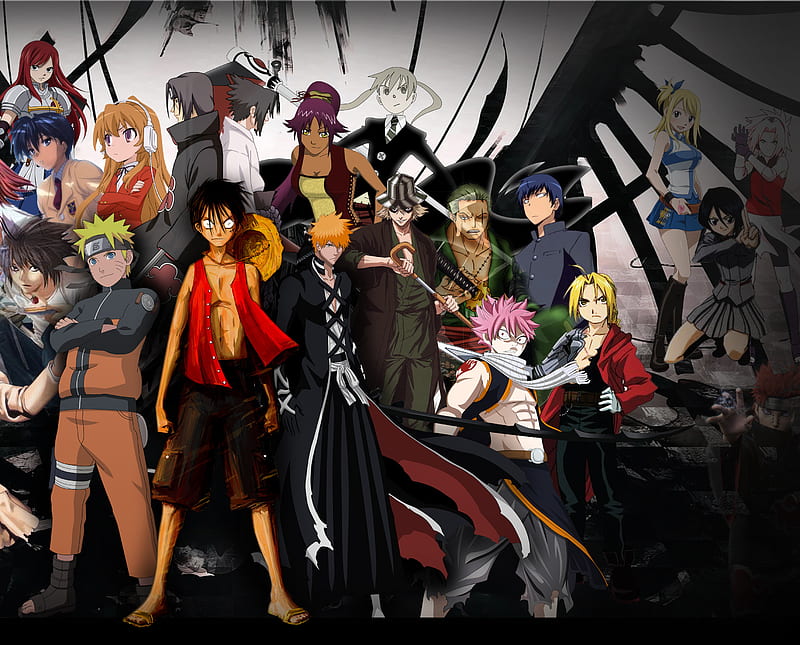
The Worldwide Conquest of Japanese Anime
Japanese anime has come a long way from its origins as a niche form of entertainment in Japan to become a global cultural phenomenon. This journey of internationalization has been shaped by technological advancements, changing cultural attitudes, and the universal appeal of compelling storytelling.
The Early Days: Anime’s First Steps Abroad
The first wave of anime to reach international audiences was primarily aimed at children:
- 1960s-1970s: Series like Astro Boy, Speed Racer, and Gigantor were among the first anime to be exported, often heavily edited to remove Japanese cultural references
- Localization Challenges: Early anime faced significant localization issues, including cultural differences, language barriers, and content adjustments
- Limited Distribution: Availability was limited to countries that had licensing agreements, often with only select series being picked up
Despite these challenges, these early exports laid the groundwork for anime’s future international success, introducing audiences worldwide to this unique form of animation.
The 1980s: The Birth of the Otaku Generation
The 1980s marked a significant turning point for anime’s global spread:
- Direct-to-Video Market: The rise of home video allowed fans to access anime directly, bypassing traditional broadcasting limitations
- Fan Subtitles: The emergence of fan-subtitled anime (“fansubs”) created underground communities of dedicated fans
- Conventions: The first anime conventions outside Japan began to appear, creating physical spaces for fans to gather
- Akira (1988): Katsuhiro Otomo’s groundbreaking film introduced many Western viewers to the mature storytelling potential of anime
This decade saw the birth of the first generation of dedicated anime fans outside Japan, who would later become the core of a growing global community.
The 1990s: Mainstream Breakthrough
The 1990s brought anime closer to mainstream acceptance in many parts of the world:
- Cable Television: Channels like Cartoon Network (particularly its Toonami block) began airing anime, introducing it to a wider audience
- Pokémon (1997): A global phenomenon that brought anime to millions of children worldwide
- Sailor Moon (1992): Introduced many female viewers to anime, expanding its demographic reach
- The Matrix (1999): A Hollywood film heavily influenced by anime, bringing Japanese animation to the attention of mainstream audiences
By the end of the 1990s, anime had become a recognizable part of global popular culture, with dedicated fan bases in many countries.
The 2000s: Digital Revolution and Mainstream Acceptance
The 2000s saw anime’s global reach expand dramatically thanks to digital technology:
- Streaming Services: Platforms like Crunchyroll (founded in 2006) made anime instantly accessible worldwide
- Social Media: Online communities allowed fans to connect across borders and share content
- Hollywood Adaptations: Films like Dragonball Evolution (2009) and Speed Racer (2008), though critically panned, demonstrated mainstream interest in anime properties
- Spirited Away (2001): Hayao Miyazaki’s masterpiece won the Academy Award for Best Animated Feature, legitimizing anime in the eyes of mainstream audiences
This decade saw anime transition from a niche interest to a mainstream form of entertainment with global recognition.
The 2010s-Present: Anime as Global Culture
In recent years, anime has become fully integrated into global popular culture:
- Netflix and Other Streamers: Major streaming platforms have invested heavily in anime, producing original content and acquiring exclusive rights
- Demon Slayer: Kimetsu no Yaiba (2019): Became a global phenomenon, breaking box office records outside Japan
- My Hero Academia (2016): A modern shonen series with massive international appeal
- Anime Conventions: Now held in virtually every country, with attendance numbers rivaling major pop culture events
- Cosplay: Anime-inspired cosplay has become a global phenomenon, with fans dressing up as their favorite characters at conventions and events worldwide
Today, anime is a truly global cultural force, with fans of all ages and backgrounds across the world.
The Role of Technology in Anime’s Global Spread
Technology has played a crucial role in anime’s journey from Japan to the world:
- Digital Distribution: Made anime instantly accessible worldwide
- Translation Tools: Improved subtitle and dubbing quality, making anime more accessible to non-Japanese speakers
- Social Media: Created global communities of fans and facilitated the spread of anime-related content
- Fan Subcultures: Online platforms allowed fans to create and share content, building excitement around anime
- Streaming Analytics: Helped studios understand global audience preferences and tailor content accordingly
Without these technological advancements, anime’s global spread would have been significantly slower and more limited.
Cultural Impact: Anime’s Influence on Global Media
Anime has had a profound impact on global media and popular culture:
- Visual Style: The distinctive “anime look” has influenced Western animation, comics, and video games
- Storytelling Techniques: Anime’s willingness to tackle mature themes and complex narratives has inspired creators worldwide
- Genre Blending: Anime’s tendency to blend genres has influenced Western media, particularly in science fiction and fantasy
- Voice Acting: The popularity of anime has led to increased recognition of voice actors as performers
- Merchandise: Anime-related merchandise has become a billion-dollar global industry
Anime has not just been imported by other countries—it has actively shaped global popular culture in significant ways.
Regional Differences in Anime Reception
While anime is now global, its reception varies across different regions:
- North America: Strong fan base with significant mainstream acceptance, particularly among younger generations
- Europe: Diverse reception across countries, with strong fan bases in France, Germany, and the UK
- Asia: Anime is particularly popular in neighboring countries like China, South Korea, and Southeast Asia
- Latin America: Growing fan base with strong interest in shonen and telenovela-style anime
- Africa: Emerging fan base, with access expanding through digital platforms
These regional differences reflect cultural contexts and viewing preferences, creating diverse anime fan cultures around the world.
Challenges and Controversies in Anime’s Global Spread
Anime’s global journey has not been without challenges and controversies:
- Cultural Misunderstandings: Some anime content has been misunderstood or criticized in different cultural contexts
- Piracy: Illegal distribution has been a persistent issue, though streaming services have helped address this
- Localization Debates: Tensions between preserving original content and adapting it for local audiences
- Representation Issues: Criticism of how certain groups are portrayed in anime
- Industry Sustainability: Concerns about the impact of global demand on the Japanese anime industry
These challenges highlight the complexities of taking a culturally specific form of entertainment global.
The Future of Global Anime
As we look to the future, anime’s global presence is likely to continue evolving:
- Increased Localization: More anime tailored to specific regional audiences
- International Co-Productions: More collaborations between Japanese studios and international partners
- Virtual Reality and Interactive Anime: New technologies creating immersive anime experiences
- Global Talent: More international creators contributing to anime production
- Diverse Stories: Greater representation of diverse perspectives and experiences in anime
The future of global anime is likely to be more diverse, inclusive, and technologically advanced than ever before.
Conclusion
The journey of anime from a niche form of Japanese entertainment to a global cultural phenomenon is a testament to the universal appeal of compelling storytelling and artistic expression. Through technological advancements, dedicated fan communities, and the creativity of its creators, anime has transcended cultural barriers to captivate audiences worldwide.
Anime’s global spread has not been without challenges, but it has ultimately succeeded in creating a truly global culture that celebrates diversity while finding common ground through shared stories.
As we look to the future, anime is poised to continue its global expansion, adapting to new technologies and audience preferences while maintaining the unique identity that makes it special. Whether through streaming platforms, international collaborations, or new storytelling techniques, anime will continue to bring people together across borders and cultures.
The story of anime’s global journey is far from over—it’s just entering a new and exciting chapter.