Anime History: Evolution of Japanese Animation
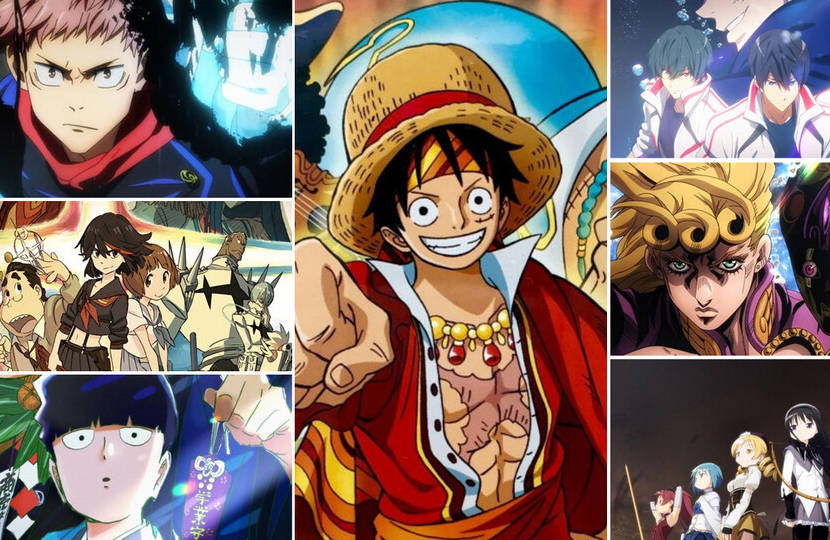
The Fascinating Evolution of Anime
Anime, or Japanese animation, has a rich and diverse history that spans over a century. From its humble beginnings as experimental short films to its current status as a global cultural phenomenon, anime has evolved dramatically in style, technique, and storytelling. Let’s trace the fascinating journey of anime through the years.
Early Beginnings (1900s-1930s)
The roots of anime can be traced back to the early 1900s, when Japanese filmmakers began experimenting with animation techniques inspired by Western cartoons. The first known Japanese animated film was Katsudo Shashin (Moving Picture), created around 1907 by an unknown filmmaker.
In the 1910s and 1920s, pioneers like Ōten Shimokawa, Jun’ichi Kōuchi, and Seitaro Kitayama (known as the “Fathers of Anime”) produced short animated films using traditional animation techniques. These early works were often inspired by Japanese folklore and traditional art forms.
The War Era and Post-War Rebuilding (1930s-1950s)
During World War II, the Japanese government used animation as a tool for propaganda, producing films that promoted nationalistic ideals and supported the war effort. After the war, Japan faced significant challenges, but animation continued to develop.
In 1948, Osamu Tezuka (often called the “God of Manga”) made his debut as a manga artist. His distinctive style, characterized by large eyes and simplified features, would later revolutionize anime and become the foundation for the “anime look” we know today.
The Golden Age of Anime (1960s-1980s)
The 1960s marked the beginning of anime’s golden age, with Tezuka leading the way. In 1963, he created Tetsuwan Atom (Astro Boy), the first popular anime television series. This groundbreaking show introduced many techniques that would become standard in anime production, including limited animation to reduce costs.
The 1970s saw the rise of mecha anime with series like Mazinger Z and Mobile Suit Gundam, which combined giant robots with complex storytelling. The 1980s brought increased sophistication in animation techniques and storytelling, with films like Hayao Miyazaki’s Nausicaä of the Valley of the Wind (1984) showcasing the artistic potential of anime.
Global Expansion (1990s-2000s)
The 1990s marked a period of significant growth and global expansion for anime. Shows like Sailor Moon, Dragon Ball Z, and Pokémon became international hits, introducing anime to a worldwide audience.
In 1985, Hayao Miyazaki and Isao Takahata founded Studio Ghibli, which would go on to produce some of the most critically acclaimed and beloved anime films of all time, including My Neighbor Totoro (1988), Spirited Away (2001), and Howl’s Moving Castle (2004).
The 2000s saw the rise of digital animation techniques, which allowed for more complex visuals and faster production times. This era also saw the emergence of new genres and subgenres, including isekai (transportation to other worlds) and moe (cute, endearing characters).
Modern Anime (2010s-Present)
Today, anime is a global cultural phenomenon with a dedicated fanbase spanning all continents. Streaming services like Netflix, Crunchyroll, and Funimation have made anime more accessible than ever, while social media has created vibrant online communities of fans.
Modern anime continues to evolve, with studios pushing the boundaries of storytelling and animation technology. Series like Attack on Titan, Demon Slayer, and Jujutsu Kaisen have become global sensations, breaking viewing records and earning critical acclaim.
The Future of Anime
As we look to the future, anime shows no signs of slowing down. Advancements in technology, including AI-assisted animation and virtual production techniques, promise to bring new possibilities to the medium.
Anime’s global popularity continues to grow, with more international collaborations and co-productions. This cross-cultural exchange is creating new and innovative storytelling approaches that blend Japanese sensibilities with global perspectives.
The Enduring Appeal of Anime
What makes anime so special? Its unique combination of artistic style, diverse storytelling, and cultural specificity has captured the hearts of audiences worldwide. Anime offers something for everyone, from action-packed adventures to heartfelt dramas, from epic fantasies to slice-of-life stories.
As anime continues to evolve and expand, it remains a powerful form of artistic expression that bridges cultures and connects people across the globe. Its rich history is a testament to the creativity and passion of the artists, writers, and animators who have dedicated their lives to this extraordinary medium.
Whether you’re a long-time fan or a newcomer to the world of anime, there’s always something new and exciting to discover in this ever-evolving art form.