Anime in Education: Learning Through Animation
The Educational Power of Anime
Anime has long been recognized not just as entertainment but also as a powerful educational tool. Its engaging storytelling, rich cultural context, and visual appeal make it an effective medium for teaching a wide range of subjects, from language and culture to science and history. As educators around the world discover its potential, anime is increasingly being integrated into formal and informal educational settings.
Anime as a Language Learning Tool
Anime is an excellent resource for learning Japanese and other languages:
- Vocabulary Acquisition: Exposure to natural Japanese speech patterns and vocabulary
- Pronunciation Practice: Hearing native speakers pronounce words and phrases
- Cultural Context: Learning idioms and expressions in their cultural context
- Language Immersion: Creating a more immersive language learning experience
- Authentic Materials: Using real-world content rather than contrived textbook examples
Many language programs now incorporate anime into their curriculum, recognizing its effectiveness in engaging students and improving language skills.
Teaching Japanese Culture Through Anime
Anime provides a window into Japanese culture and society:
- Cultural Practices: Depictions of Japanese customs, festivals, and daily life
- Social Dynamics: Exploration of Japanese social norms and人际关系
- Historical Context: Period dramas that bring Japanese history to life
- Values and Beliefs: Insights into Japanese cultural values and philosophical traditions
- Contemporary Issues: Reflection of modern Japanese society and its challenges
Educators use anime to supplement traditional cultural studies, providing students with a more nuanced and engaging understanding of Japan.
STEM Education and Anime
Anime can also be used to teach science, technology, engineering, and mathematics:
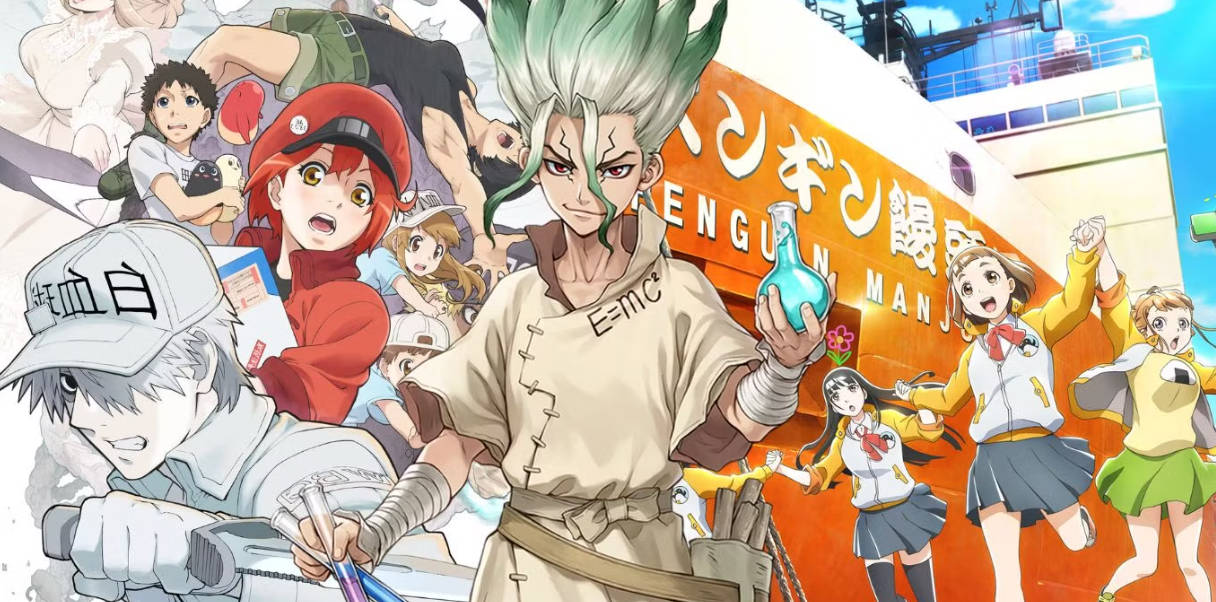
- Science Concepts: Series like Cells at Work! (2018) that visualize biological processes
- Technological Literacy: Cyberpunk anime that explores the implications of emerging technologies
- Engineering Principles: Mecha anime that involves robotics and mechanical design
- Mathematical Concepts: Series like Welcome to the NHK that touch on game theory and probability
- Environmental Science: Anime like Nausicaä of the Valley of the Wind (1984) that address environmental issues
By presenting complex STEM concepts in an engaging narrative context, anime can make these subjects more accessible and interesting to students.
History and Social Studies Through Anime
Anime offers unique perspectives on history and social issues:
- Historical Dramas: Series like Rurouni Kenshin (1996) that depict specific historical periods
- Alternative Histories: Works like Fullmetal Alchemist (2003) that reimagine historical events
- Social Commentary: Anime that addresses issues like bullying, discrimination, and social inequality
- Global Perspectives: Stories that explore international relations and cultural exchange
- Moral Dilemmas: Narratives that present complex ethical and moral questions
Anime can help students develop critical thinking skills by presenting multiple perspectives on historical events and social issues.
Literature and Narrative Analysis
Anime is a rich source for studying narrative structure and literary techniques:
- Adaptations: Comparing anime adaptations to their original source material (manga, light novels, etc.)
- Genre Conventions: Analyzing the conventions of different anime genres
- Character Development: Studying how characters grow and change over time
- Thematic Analysis: Exploring recurring themes and motifs in anime
- Visual Storytelling: Analyzing how anime uses visual elements to tell stories
Anime provides students with a contemporary medium for studying narrative techniques, complementing traditional literary analysis.
Critical Media Literacy
Anime can be used to teach critical media literacy skills:
- Media Representation: Analyzing how different groups are portrayed in anime
- Stereotypes and Archetypes: Identifying and discussing stereotypes in anime
- Media Production: Understanding how anime is created and distributed
- Audience Reception: Exploring how different audiences interpret and respond to anime
- Media Ethics: Discussing issues like piracy, cultural appropriation, and representation
By critically analyzing anime, students develop the skills to be more thoughtful and discerning media consumers.
Informal Education and Lifelong Learning
Anime also plays a role in informal education and lifelong learning:
- Self-Directed Learning: Fans researching Japanese culture, language, and history to better understand anime
- Online Communities: Learning through participation in fan communities and discussions
- Cross-Cultural Exchange: Connecting with fans from other countries through shared interest in anime
- Skill Development: Learning skills like drawing, sewing (for cosplay), and video editing through anime-related hobbies
- Personal Growth: Finding inspiration and guidance through anime narratives
This informal learning through anime can be just as valuable as formal education, fostering curiosity and a love of learning.
Challenges and Considerations
While anime has significant educational potential, there are also challenges and considerations:
- Age-Appropriate Content: Some anime contains mature themes or content that may not be suitable for all students
- Cultural Context: Ensuring students understand the cultural context of anime to avoid misunderstandings
- Balanced Perspective: Presenting a balanced view of Japan, not just the idealized versions often found in anime
- Media Literacy: Teaching students to critically analyze anime rather than accepting it uncritically
- Resource Availability: Access to appropriate anime and related materials
Educators must carefully select and contextualize anime to maximize its educational value while addressing these challenges.
Case Studies: Anime in Educational Settings
There are numerous examples of anime being successfully used in education:
- Japanese Language Programs: Universities like the University of California, Berkeley using anime in their Japanese language courses
- Cultural Studies Courses: High schools and colleges offering courses specifically on anime and Japanese culture
- Science Classrooms: Teachers using Cells at Work! to teach biology concepts
- Library Programs: Public libraries hosting anime clubs and related educational events
- Online Learning: Platforms like Coursera offering courses on anime and Japanese culture
These case studies demonstrate the versatility of anime as an educational tool across different subjects and age groups.
The Future of Anime in Education
As anime continues to grow in popularity and recognition, its role in education is likely to expand:
- Formal Integration: More widespread incorporation of anime into formal educational curricula
- Digital Resources: Development of educational resources specifically designed around anime
- Cross-Curricular Approaches: Using anime to teach multiple subjects simultaneously
- Global Collaboration: International educational projects centered around anime
- Teacher Training: Professional development for educators on how to effectively use anime in the classroom
The future of anime in education is bright, with increasing recognition of its potential to engage students and enhance learning outcomes.
Conclusion
Anime is much more than just entertainment—it is a powerful educational tool that can enhance learning across a wide range of subjects. Its engaging storytelling, rich cultural context, and visual appeal make it an effective medium for teaching everything from language and culture to science and history.
By incorporating anime into educational settings, educators can tap into students’ existing interests and create more engaging, effective learning experiences. Whether used to teach Japanese language and culture, explain complex scientific concepts, or explore historical events, anime has the potential to make learning more dynamic and meaningful.
As we look to the future, anime is likely to play an increasingly important role in education, both formal and informal. Its ability to connect with students on an emotional level, while providing valuable educational content, makes it a unique and powerful resource for educators around the world.
The educational potential of anime is limited only by our imagination and creativity in using it. By approaching anime as both entertainment and education, we can unlock new possibilities for teaching and learning that engage students and foster a lifelong love of learning.