Death Note: A Psychological Thriller Masterpiece
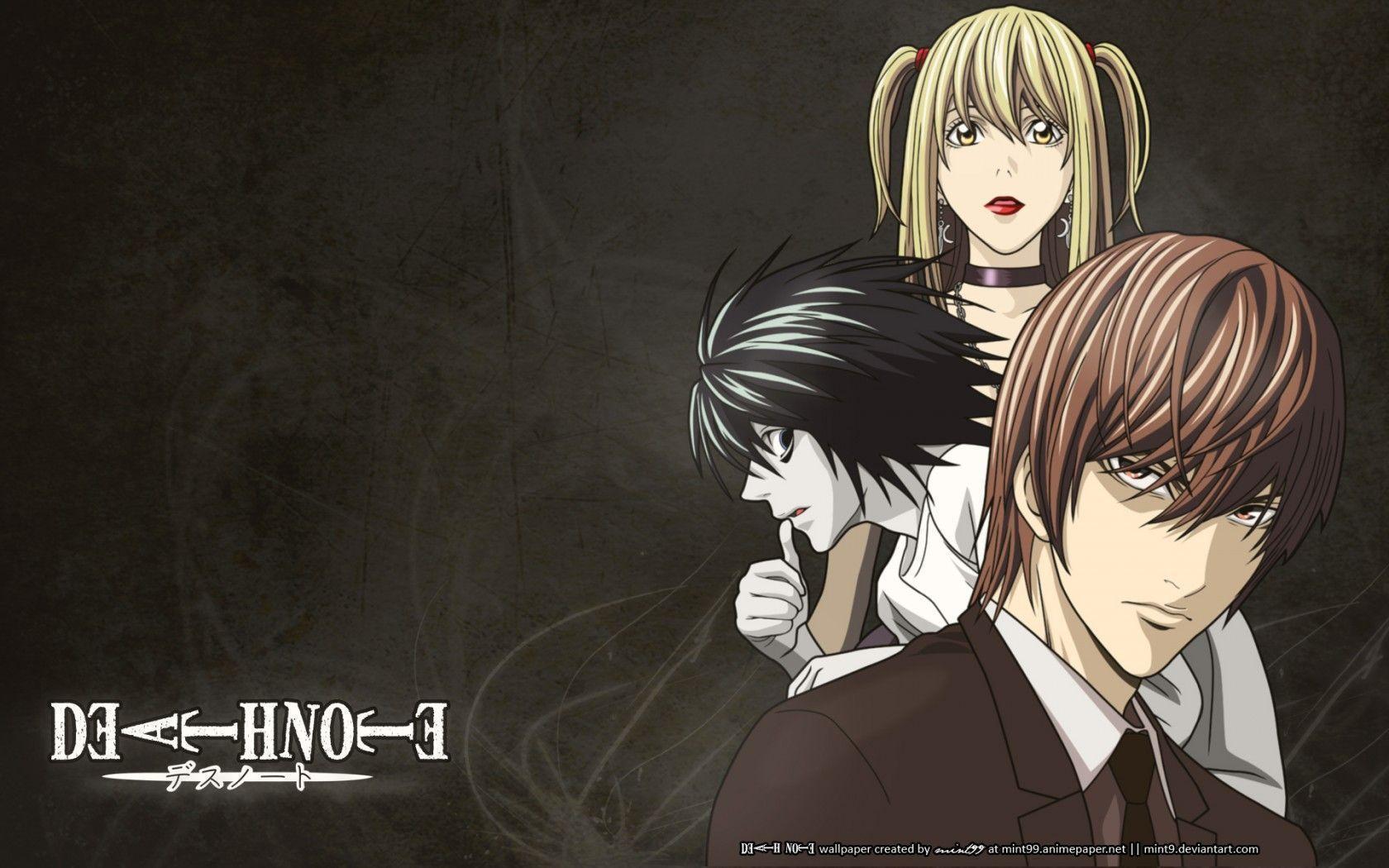
The Battle of Wits Between Good and Evil
Death Note stands as one of the most compelling and thought-provoking anime series ever created. Based on the manga by Tsugumi Ohba and Takeshi Obata, this psychological thriller has captivated audiences worldwide with its intense cat-and-mouse game, complex characters, and profound moral questions. From its shocking premise to its controversial conclusion, Death Note has earned its place as a modern classic of the medium.
The Premise: A Notebook That Kills
Death Note begins with a simple yet chilling premise:
- Ryuk’s Boredom: Ryuk, a Shinigami (death god), drops his Death Note into the human world out of boredom
- Light Yagami: A brilliant high school student who discovers the Death Note and becomes obsessed with using it to create a utopian world
- The Death Note’s Rules: The notebook allows its user to kill anyone by writing their name and cause of death while picturing their face
- Kira: Light adopts the alias “Kira” (the Japanese pronunciation of “killer”) as he begins executing criminals
- L: A mysterious, eccentric detective who is tasked with capturing Kira
- The Cat-and-Mouse Game: A tense battle of wits between Light and L ensues as each tries to outsmart the other
This premise sets the stage for a gripping psychological thriller that explores profound moral and ethical questions.
The Characters: Complexity and Moral Ambiguity
Death Note features a small but unforgettable cast of complex, morally ambiguous characters:
- Light Yagami: Evolves from a seemingly ordinary high school student to a ruthless, megalomaniacal serial killer
- L Lawliet: A brilliant but eccentric detective who is as morally ambiguous as his adversary
- Misa Amane: A famous model who becomes a Kira worshipper and Light’s accomplice
- Ryuk: The Shinigami who dropped the Death Note, amused by the chaos it causes
- Near and Mello: L’s successors, who continue the hunt for Kira after his death
- Soichiro Yagami: Light’s father, a police chief who is unaware of his son’s secret identity
These characters are brought to life through expressive animation and exceptional voice acting, making their psychological battles deeply compelling.
The Animation: Stylish and Atmospheric
Death Note is known for its distinctive visual style and atmospheric animation:
- Madhouse’s Work: Produced by Madhouse, known for its high-quality animation
- Visual Style: Combines elements of film noir and psychological thriller
- Character Design: Memorable character designs by Takeshi Obata
- Atmospheric Lighting: Uses lighting effectively to create tension and mood
- Shinigami Realm: Dark, surreal depictions of the Shinigami world
- Symbolism: Uses visual symbolism to enhance the storytelling
The animation quality enhances the series’ tense, psychological atmosphere.
The Story: A Battle of Wits
Death Note is a masterclass in suspenseful storytelling:
- Cat-and-Mouse Game: The central conflict between Light and L drives the narrative
- Strategic Moves: Each character makes calculated moves to outsmart the other
- Twists and Turns: Features numerous unexpected plot twists that keep viewers on the edge of their seats
- Moral Dilemmas: Forces viewers to confront their own moral beliefs as they watch Light’s descent into madness
- Philosophical Questions: Raises profound questions about justice, power, and the nature of good and evil
- Climax and Conclusion: Builds to a dramatic climax and controversial conclusion
The storytelling is tightly paced and relentlessly suspenseful, making it difficult to look away.
The Music: Haunting and Atmospheric
The music of Death Note plays a crucial role in creating its tense atmosphere:
- ** Yoshihisa Hirano and Hideki Taniuchi’s Score**: The composers create a distinctive soundtrack that ranges from hauntingly beautiful to intense and suspenseful
- Opening Themes: Features memorable opening themes, including “The World” by Nightmare and “What’s Up, People?” by Maximum the Hormone
- Ending Themes: Includes atmospheric closing themes that complement the series’ tone
- Emotional Cues: Music that perfectly complements the emotional tone of each scene, whether it’s tension, triumph, or tragedy
- Symbolic Use: Uses music to represent different characters and their motivations
The music of Death Note has become as beloved as the series itself, with soundtracks that fans continue to listen to.
The Themes: Justice and Power
Death Note explores several profound themes that give the series its depth:
- Justice vs. Vigilantism: Questions whether Kira’s actions can be justified as a form of vigilante justice
- Power Corrupts: Demonstrates how absolute power corrupts absolutely through Light’s transformation
- Morality and Ethics: Challenges viewers’ perceptions of good and evil
- Intelligence and Manipulation: Explores the power of intelligence and manipulation
- The Value of Life: Raises questions about the sanctity of human life
- The Nature of God: Light’s evolution into a god-like figure raises questions about the nature of divinity
These themes give Death Note a depth and resonance that continues to spark discussion and debate.
The Voice Acting: Exceptional Performances
The voice acting in Death Note is exceptional in both the Japanese and English versions:
- Japanese Cast: Mamoru Miyano as Light, Kappei Yamaguchi as L
- English Cast: Brad Swaile as Light, Alessandro Juliani as L
- Casting Excellence: Both versions feature perfectly cast actors who bring the characters to life
- Emotional Range: The actors effectively convey the characters’ psychological complexity
- Chemistry: The voice actors have great chemistry, making the battle of wits between Light and L feel authentic
The voice acting performances add tremendous depth and authenticity to the characters, making their psychological battles even more compelling.
The Impact: Cultural Phenomenon
Death Note has had a profound impact on the anime industry and popular culture:
- Global Popularity: Has gained a massive international following, with fans of all ages
- Critical Acclaim: Received widespread critical acclaim for its storytelling and characters
- Moral Debate: Sparked intense debate about its moral and ethical implications
- Influence on Anime: Has influenced subsequent psychological thrillers and cat-and-mouse narratives
- Merchandise Success: Has spawned a vast array of merchandise, from notebooks to action figures
- Adaptations: Has been adapted into live-action films, a television series, and a musical
Death Note has become a cultural touchstone that continues to resonate with audiences worldwide.
The Controversies: Moral and Ethical Questions
Death Note has not been without its controversies:
- Moral Concerns: Some have criticized the series for its portrayal of vigilante justice
- School Incidents: There have been reports of students creating their own “death notes” at schools
- Censorship: The series has been banned or censored in some countries
- Ethical Debates: Has sparked intense debate about the ethics of capital punishment and vigilante justice
- Character Sympathy: Some viewers have expressed sympathy for Light, despite his increasingly villainous actions
These controversies are a testament to the series’ ability to provoke thought and emotional responses.
Why You Should Watch Death Note
Death Note is essential viewing for any anime fan or anyone interested in compelling storytelling:
- Gripping Plot: A suspenseful, tightly paced narrative that keeps viewers on the edge of their seats
- Complex Characters: Well-developed, morally ambiguous characters with psychological depth
- Moral Questions: Thought-provoking themes that invite discussion and reflection
- Intellectual Stimulation: A battle of wits that challenges viewers to keep up with the characters’ strategic moves
- Cultural Significance: A series that has left an indelible mark on popular culture
- Stylish Presentation: Distinctive visual style and atmospheric music
Whether you’re a longtime anime fan or new to the medium, Death Note offers an experience that is both intellectually stimulating and emotionally engaging.
Conclusion
Death Note is more than just an anime series—it’s a psychological thriller masterpiece that challenges viewers to confront their own moral beliefs. Through its gripping storytelling, complex characters, and profound themes, it has captivated audiences worldwide and sparked intense debate.
The battle of wits between Light Yagami and L is one of the most compelling conflicts in anime history, as each character tries to outsmart the other in increasingly elaborate ways. The series’ exploration of themes like justice, power, and morality gives it a depth that few other series can match.
Death Note is not for the faint of heart—it’s a dark, intense series that doesn’t shy away from exploring the darkest aspects of human nature. But for those who are willing to engage with its challenging themes and complex characters, it offers a viewing experience that is both intellectually stimulating and emotionally resonant.
More than a decade after its original release, Death Note remains as relevant and thought-provoking as ever. Its impact on the anime industry and popular culture is undeniable, and it continues to inspire new generations of viewers to think critically about the nature of justice, power, and morality.
Death Note is a masterpiece of psychological storytelling that deserves its place among the greatest anime series of all time.