Hayao Miyazaki: The Master Storyteller
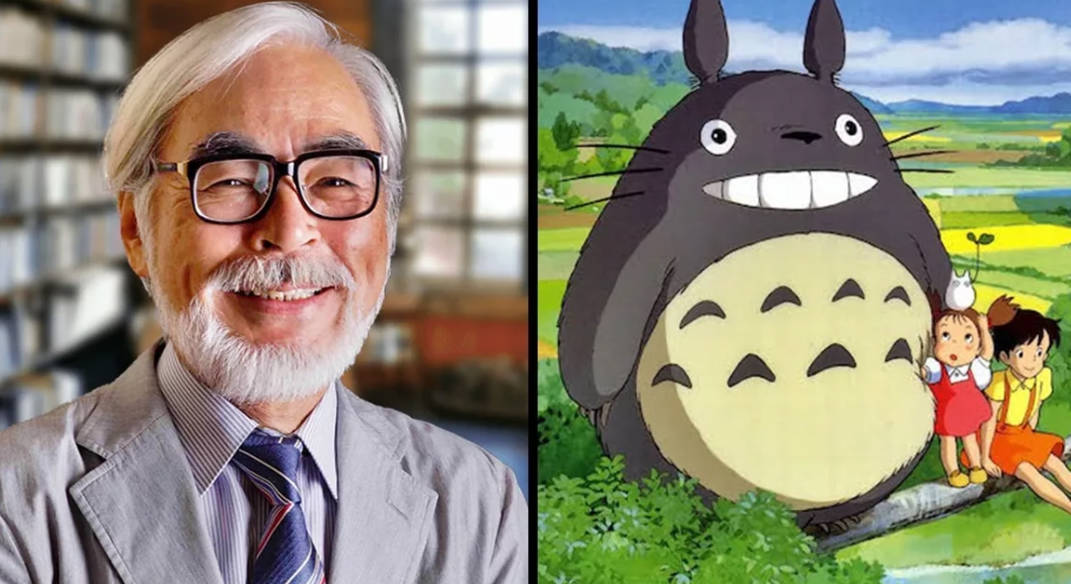
The Visionary Behind Studio Ghibli
Hayao Miyazaki is widely regarded as one of the greatest animators and storytellers of all time. As a co-founder of Studio Ghibli and the director of some of the most beloved animated films in history, Miyazaki has left an indelible mark on the world of animation and popular culture. His unique visual style, profound storytelling, and deep respect for nature and humanity have made him a cultural icon whose work transcends borders and generations.
Early Life and Influences
Miyazaki’s early life and experiences shaped his artistic vision:
- Birth: Born on January 5, 1941, in Tokyo, Japan
- Family Background: His father was the director of Miyazaki Airplane, a company that manufactured parts for military aircraft during World War II
- Childhood Experiences: Witnessed the destruction of war and the subsequent reconstruction of Japan
- Early Influences: Inspired by early Japanese animation, Disney films, and the works of authors like Kenji Miyazawa
- Education: Studied political science and economics at Gakushuin University
- Entry into Animation: Joined Toei Animation in 1963 as an in-between artist
These early experiences would inform many of the themes and ideas that would appear in his later work.
Early Career: From In-Between Artist to Director
Miyazaki’s career in animation began modestly before he rose to prominence:
- Toei Animation: Worked as an in-between artist, key animator, and eventually director
- Early Collaborations: Met and began working with Isao Takahata, who would become his longtime collaborator
- First Directorial Work: Lupin III: The Castle of Cagliostro (1979), his first feature film
- Nausicaä of the Valley of the Wind: Created the manga in 1982, which would later become his breakthrough film
- Studio Ghibli Formation: Co-founded Studio Ghibli in 1985 with Takahata and Toshio Suzuki
This period of his career saw Miyazaki developing his distinctive style and storytelling approach.
Studio Ghibli: A New Era of Animation
With the founding of Studio Ghibli, Miyazaki began creating some of his most iconic works:
- Castle in the Sky (1986): Studio Ghibli’s first feature film
- My Neighbor Totoro (1988): Became a cultural phenomenon and one of Miyazaki’s most beloved films
- Kiki’s Delivery Service (1989): A coming-of-age story that gained international popularity
- Porco Rosso (1992): A unique tale of a World War I ace who has been transformed into a pig
- Princess Mononoke (1997): A epic environmental fable that became the highest-grossing film in Japanese history at the time
- Spirited Away (2001): Won the Academy Award for Best Animated Feature and became a global phenomenon
- Howl’s Moving Castle (2004): Based on the novel by Diana Wynne Jones
- Ponyo (2008): A retelling of The Little Mermaid with Miyazaki’s distinctive touch
- The Wind Rises (2013): A fictionalized biopic of Jiro Horikoshi, the designer of the Zero fighter plane
- How Do You Live? (2023): Miyazaki’s latest film, inspired by the novel of the same name
These films established Studio Ghibli as one of the greatest animation studios in the world and solidified Miyazaki’s reputation as a master storyteller.
The Miyazaki Visual Style
Miyazaki has developed a distinctive visual style that is instantly recognizable:
- Hand-Drawn Animation: A strong preference for traditional hand-drawn animation over CGI
- Attention to Nature: Meticulous, detailed depictions of natural environments
- Flight Motifs: Recurring themes of flight and aviation
- Expressive Character Design: Distinctive, expressive character designs with large eyes and subtle facial expressions
- Rich Backgrounds: Detailed, immersive backgrounds that create a sense of place
- Color Palette: Warm, natural color palettes that evoke different moods and seasons
This visual style has become synonymous with Studio Ghibli and has influenced animators around the world.
Recurring Themes in Miyazaki’s Work
Miyazaki’s films explore several recurring themes that reflect his worldview:
- Environmentalism: Deep concern for the natural world and the impact of human activity
- Anti-War Sentiment: Strong opposition to war and violence
- Flight and Freedom: Recurring imagery of flight as a metaphor for freedom
- Strong Female Characters: Complex, independent female protagonists
- Childhood Wonder: Celebration of childhood imagination and curiosity
- Balance Between Tradition and Modernity: Exploration of the tension between traditional values and modern progress
- Spirituality and the Supernatural: Gentle incorporation of spiritual and supernatural elements
These themes give Miyazaki’s films a depth and resonance that appeals to audiences of all ages.
The Collaborative Process: Miyazaki and His Team
Miyazaki’s creative process is highly collaborative, though he maintains strong creative control:
- Storyboarding: Creates detailed storyboards that serve as the foundation for his films
- Joe Hisaishi Collaboration: Long-standing partnership with composer Joe Hisaishi, who has created the scores for most of Miyazaki’s films
- Attention to Detail: Involvement in every aspect of production, from character design to background art
- Voice Casting: Careful selection of voice actors who can bring his characters to life
- Animation Direction: Close supervision of the animation process to ensure it matches his vision
- Team Dynamics: Creates a collaborative environment that brings out the best in his team
This collaborative approach, combined with Miyazaki’s strong vision, has resulted in some of the most cohesive and polished animated films ever made.
Miyazaki’s Impact on Animation
Miyazaki has had a profound impact on the world of animation:
- Raising the Bar: Set new standards for storytelling depth and visual quality in animation
- International Recognition: Helped popularize Japanese animation worldwide
- Inspiring Animators: Influenced a generation of animators, including Pixar’s John Lasseter
- Expanding the Medium: Demonstrated that animation is not just for children but can tackle complex themes
- Cultural Exchange: Facilitated cultural exchange between Japan and the rest of the world
- Critical Acclaim: Received numerous awards and honors, including an Academy Honorary Award in 2014
Miyazaki has shown that animation can be a powerful art form capable of moving audiences and exploring profound ideas.
The Philosophy of Hayao Miyazaki
Miyazaki’s work is informed by a deeply held personal philosophy:
- Humanism: Belief in the inherent goodness of humanity despite its flaws
- Environmental Stewardship: Strong commitment to environmental protection and sustainability
- Pacifism: Rejection of violence and war as solutions to conflict
- Feminism: Belief in gender equality and the importance of female empowerment
- Anti-Materialism: Critique of consumerism and materialistic values
- Wonder and Curiosity: Celebration of the human capacity for wonder and exploration
This philosophy gives Miyazaki’s films a moral center and a sense of purpose that transcends entertainment.
Retirement and Comebacks
Miyazaki has announced his retirement several times, only to return to filmmaking:
- First Retirement: Announced in 1997 after Princess Mononoke
- Second Retirement: Announced in 2013 after The Wind Rises
- Return: Came out of retirement to work on How Do You Live?
- Ongoing Work: Continues to work on new projects despite his advanced age
- Legacy Planning: Has expressed interest in ensuring Studio Ghibli continues after his departure
Miyazaki’s passion for animation has repeatedly drawn him out of retirement, much to the delight of his fans.
Miyazaki’s Enduring Legacy
Miyazaki’s legacy extends far beyond his films:
- Cultural Icon: Recognized as a symbol of Japanese creativity and craftsmanship
- Educational Value: His films are used in schools to teach animation, storytelling, and environmental awareness
- Influence on Filmmakers: Inspired filmmakers across genres, not just animation
- Studio Ghibli Museum: Created a museum in Tokyo that celebrates his work and the art of animation
- Ghibli Park: A planned theme park that will bring his worlds to life
- Global Fanbase: Has inspired a dedicated global fanbase that spans generations
Miyazaki’s work has touched the hearts of millions of people around the world and will continue to do so for generations to come.
Conclusion
Hayao Miyazaki’s journey from a young animator at Toei Animation to a global cultural icon is a testament to the power of creativity, passion, and vision. Through his unique storytelling style and deep respect for nature and humanity, Miyazaki has created a body of work that transcends cultural boundaries and speaks to the universal human experience.
From the whimsical wonder of My Neighbor Totoro to the epic environmental fable of Princess Mononoke, from the magical journey of Spirited Away to the poignant reflection on war in The Wind Rises, Miyazaki’s films have captured the imagination of audiences around the world.
His commitment to traditional hand-drawn animation, his attention to detail, and his collaborative approach to filmmaking have set new standards for the industry. His strong female characters, environmental themes, and anti-war messages have challenged stereotypes and inspired social awareness.
As Miyazaki continues to create new works well into his eighties, his passion for animation and storytelling remains undimmed. His legacy is not just in the films he has created, but in the way he has inspired countless artists, filmmakers, and audiences to see the world with more wonder, compassion, and respect for the natural world.
Hayao Miyazaki is more than just an animator or a filmmaker—he is a master storyteller whose work has enriched the world and will continue to do so for generations to come.