Horror Anime: Exploring the Dark Side
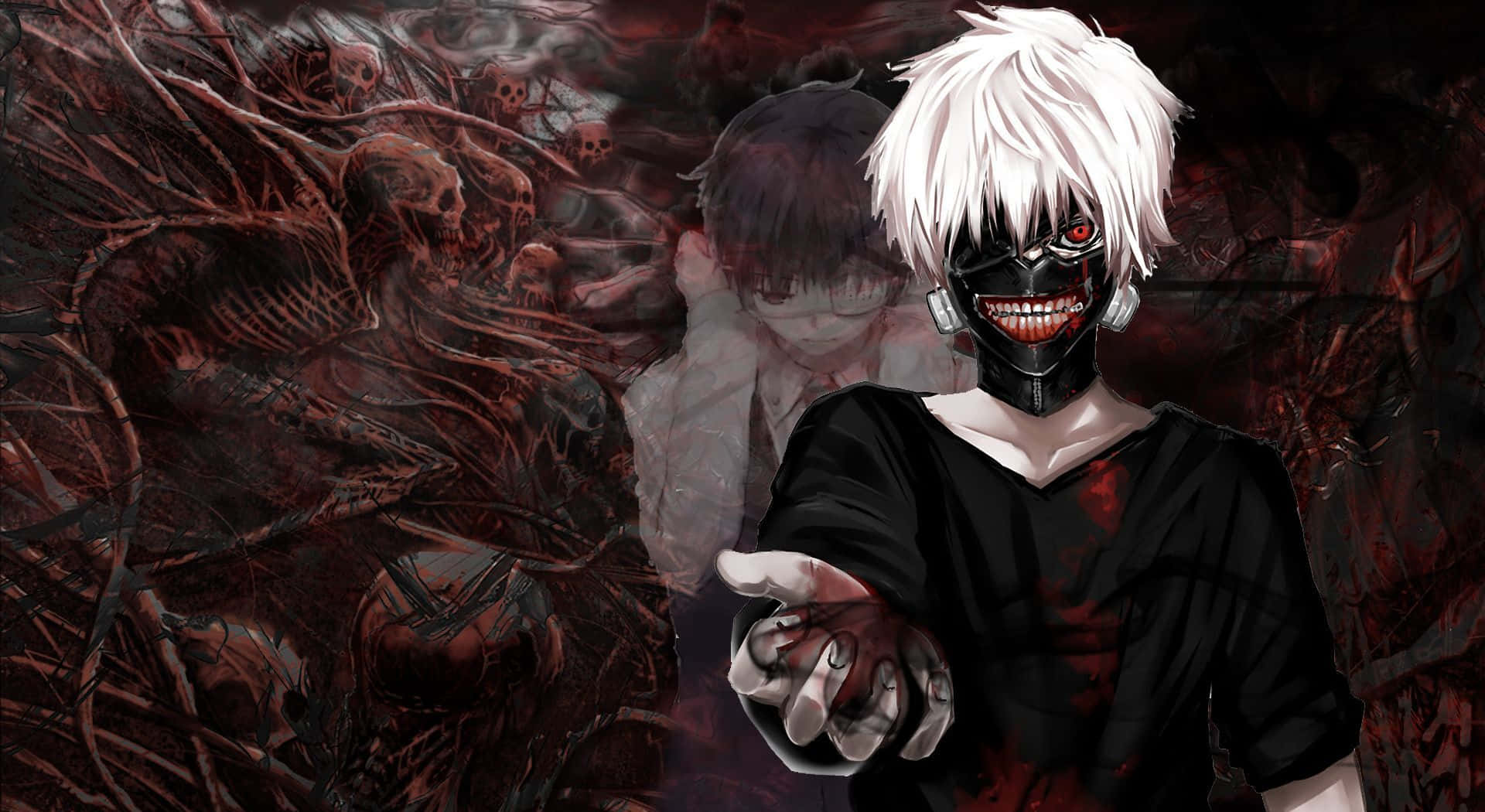
The Chilling World of Horror Anime
Horror anime has long been a staple of the medium, offering audiences terrifying tales, psychological thrills, and supernatural encounters. From ghost stories to psychological horror, this genre explores the darker aspects of human nature and the unknown, creating unforgettable experiences that linger long after the credits roll.
The Origins of Horror Anime
The roots of horror anime can be traced back to traditional Japanese folklore and ghost stories, known as “kaidan” (怪談). These tales of spirits, monsters, and supernatural phenomena have been part of Japanese culture for centuries:
- GeGeGe no Kitaro (1968): An early anime series based on Shigeru Mizuki’s manga about a half-human, half-yokai boy
- Dororo (1969-1970): A dark fantasy series about a boy born without body parts
- Devilman (1972-1973): A groundbreaking series about a boy who merges with a demon
These early series established many of the tropes that would define horror anime, including supernatural elements, moral ambiguity, and explorations of the human condition.
Psychological Horror: The Terror Within
Psychological horror anime focuses on the human mind and the terror that comes from within:
- Perfect Blue (1997): A psychological thriller about a pop idol struggling with her identity
- Serial Experiments Lain (1998): A mind-bending series about a girl’s descent into the digital world
- Paranoia Agent (2004): A surreal series about a mysterious attacker known as “Lil’ Slugger”
- Yume Nikki (2018): A dark exploration of a girl’s dreams and subconscious
These series often blur the line between reality and imagination, creating a sense of unease that lingers long after viewing.
Supernatural Horror: Ghosts and Spirits
Supernatural horror anime features ghosts, spirits, and other paranormal phenomena:
- Ghost Hunt (2006-2007): A series about a team of paranormal investigators
- Corpse Party: Tortured Souls (2013): A gore-filled series about students trapped in a haunted school
- Another (2012): A mysterious series about a cursed classroom
- Shiki (2010): A slow-burn horror about a village plagued by vampires
These series often draw on traditional Japanese folklore, adding a cultural dimension to their scares.
Body Horror: Transformation and Mutation
Body horror anime explores the terror of physical transformation and mutation:
- Akira (1988): A groundbreaking film featuring grotesque mutations
- Parasyte -the maxim- (2014-2015): A series about parasitic aliens that take over human bodies
- Tokyo Ghoul (2014-2018): A dark series about humans who turn into ghouls
- Elfen Lied (2004): A violent series about mutated humans with telekinetic powers
These series often use physical transformation as a metaphor for deeper psychological or societal issues.
Cosmic Horror: The Terror of the Unknown
Cosmic horror anime explores the terror of the vast, unknown universe:
- Neon Genesis Evangelion (1995-1996): While not purely horror, it contains elements of cosmic dread
- Rumbling Hearts (2003-2004): Explores the existential horror of memory and identity
- The Garden of Sinners (2007-2011): A series of films that touch on cosmic horror elements
- Berserk (1997): Features cosmic horror elements in its later arcs
These series often leave viewers with a sense of insignificance in the face of vast, uncaring forces.
The Artistic Style of Horror Anime
Horror anime often features distinctive artistic styles that enhance the terror:
- Dark Color Palettes: Deep blacks, grays, and muted colors that create a sense of foreboding
- Distorted Perspectives: Unsettling camera angles and visual distortions
- Detailed Gore: Graphic depictions of violence and mutilation (in some series)
- Subtle Symbolism: Visual metaphors that add depth to the horror
The Cultural Context of Horror Anime
Horror anime is deeply rooted in Japanese culture and traditions:
- Yokai: Traditional Japanese spirits and monsters
- Onryo: Vengeful spirits, often women who died tragic deaths
- Karma: The idea that actions have consequences, often manifesting as supernatural punishment
- Collective Guilt: The horror of societal secrets and shared guilt
These cultural elements give Japanese horror anime a unique flavor compared to Western horror.
The Global Popularity of Horror Anime
While horror anime is rooted in Japanese culture, it has gained significant popularity worldwide:
- Universal Fears: The fear of death, the unknown, and the supernatural is universal
- Unique Perspective: Japanese horror offers a different approach to scares than Western horror
- Artistic Freedom: Animation allows for more creative and surreal horror elements
- Cultural Fascination: Western audiences are often intrigued by Japanese folklore and traditions
Notable Horror Anime Series and Films
Here are some of the most influential and beloved horror anime:
- Akira (1988): A cyberpunk classic with horror elements
- Perfect Blue (1997): A psychological thriller from Satoshi Kon
- Ghost in the Shell (1995): While primarily sci-fi, it contains horror elements
- Elfen Lied (2004): A violent series with emotional depth
- Tokyo Ghoul (2014-2018): A modern horror series with a dedicated fanbase
- Attack on Titan (2013-present): While primarily action, it contains significant horror elements
The Future of Horror Anime
As anime continues to evolve, horror anime is likely to remain a popular and innovative genre:
- Technological Horror: Exploring the dark side of technology and social media
- Environmental Horror: Addressing climate change and ecological disaster
- Blended Genres: Combining horror with other genres like sci-fi and romance
- International Collaborations: Horror anime with global influences
At its core, however, horror anime will likely remain focused on exploring the darker aspects of human nature and the unknown, continuing to terrify and captivate audiences for years to come.
Conclusion
From psychological thrills to supernatural scares, horror anime offers a diverse range of terrifying experiences that explore the darker corners of the human psyche and the unknown. It has evolved from traditional ghost stories to innovative tales that push the boundaries of animation and storytelling.
Whether you’re a fan of subtle psychological horror, graphic body horror, or supernatural ghost stories, there’s a horror anime out there to chill your bones. So why not dim the lights, settle in, and experience the terrifying world of horror anime for yourself?