Madhouse: The Diverse Studio of Anime Excellence
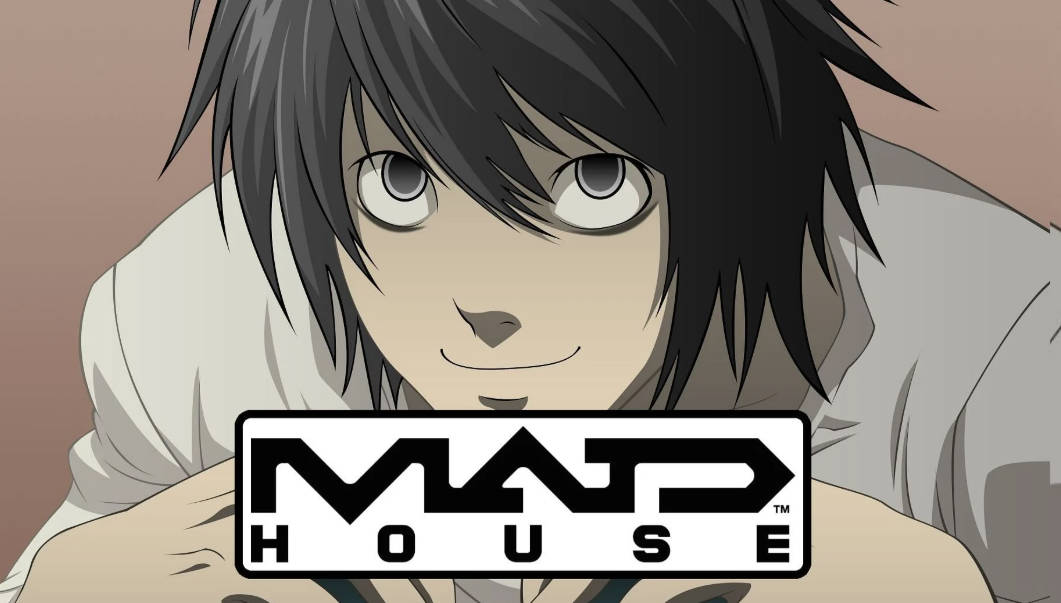
The Versatile World of Madhouse
Madhouse is one of the most respected and versatile studios in the anime industry, known for its diverse range of high-quality productions. Founded in 1972 by former Mushi Production employees, the studio has created everything from action-packed shonen series to thought-provoking psychological thrillers, earning a reputation for artistic excellence and creative risk-taking.
The Founding and Early Years
Madhouse began as a rebellion against the constraints of the traditional anime industry:
- Founding: Established in 1972 by Masao Maruyama, Osamu Dezaki, Rintaro, and Yoshiaki Kawajiri, all former employees of Mushi Production
- Philosophy: Founded on the principle of giving creative freedom to directors and artists
- Early Works: Initially focused on producing television series and OVAs (Original Video Animations)
- Breakthrough: Gained recognition with series like Space Adventure Cobra (1982) and films like Ninja Scroll (1993)
- International Collaboration: Early on, Madhouse collaborated with international creators, including Peter Chung on Aeon Flux
This founding principle of creative freedom would become a hallmark of Madhouse’s approach to animation.
The Maruyama Era: Creative Freedom and Artistic Excellence
Under the leadership of Masao Maruyama, Madhouse established itself as a haven for creative talent:
- Director-Driven Productions: Madhouse gave directors significant creative control over their projects
- Genre Diversity: Produced works across virtually every anime genre, from comedy to horror
- Technical Innovation: Pioneered new animation techniques and approaches
- Talent Development: Nurtured the careers of many talented directors and animators
- Notable Works: Death Note (2006-2007), Monster (2004-2005), Paprika (2006), Paranoia Agent (2004)
Maruyama’s leadership created a culture of artistic excellence that attracted some of the industry’s most talented creators.
Signature Style and Visual Identity
While Madhouse is known for its diversity, it has developed certain stylistic hallmarks:
- Visual Flair: Dynamic, visually striking animation with attention to detail
- Atmospheric Storytelling: Ability to create distinct atmospheres for different genres
- Character Design: Memorable, distinctive character designs that suit each project
- Action Sequences: Fluid, intense action scenes that set industry standards
- Experimental Techniques: Willingness to experiment with different animation styles and approaches
Madhouse’s versatility allows it to adapt its style to suit the needs of each individual project, rather than forcing all works into a single visual template.
Collaborations with Visionary Directors
Madhouse has collaborated with some of the most visionary directors in anime:
- Satoshi Kon: Created some of his most iconic works at Madhouse, including Perfect Blue (1997), Millennium Actress (2001), Tokyo Godfathers (2003), and Paprika (2006)
- Yoshiaki Kawajiri: One of Madhouse’s founders, directed action classics like Ninja Scroll (1993) and Vampire Hunter D: Bloodlust (2000)
- Mamoru Hosoda: Directed The Girl Who Leapt Through Time (2006) and Summer Wars (2009) at Madhouse before founding his own studio
- Tatsuo Sato: Directed Martian Successor Nadesico (1996) and Shin-chan movies
- Kenji Kamiyama: Directed Eden of the East (2009) and Ghost in the Shell: Stand Alone Complex (2002-2005) at Production I.G, but has also worked with Madhouse
These collaborations have resulted in some of the most critically acclaimed anime of recent decades.
Notable Works Across Genres
Madhouse’s filmography spans virtually every anime genre:
- Action/Adventure: Ninja Scroll, Trigun (1998), Black Lagoon (2006-2011)
- Psychological Thriller: Perfect Blue, Monster, Paranoia Agent
- Sci-Fi: Summer Wars, The Girl Who Leapt Through Time, Chobits (2002)
- Horror: Death Note, Hellsing (2001-2002), Monster
- Comedy: Gintama (2006-2018), Ouran High School Host Club (2006), Kobato. (2009-2010)
- Drama: Clamp School Detectives (1997), Cardcaptor Sakura (1998-2000), Aoi Bungaku Series (2009)
This diversity has made Madhouse one of the most versatile studios in the industry, capable of producing high-quality work across multiple genres.
International Collaborations and Co-Productions
Madhouse has a long history of international collaborations:
- Aeon Flux: Collaborated with Peter Chung on the original animated shorts
- The Animatrix: Contributed several segments to this Matrix tie-in project
- Halo Legends: Produced segments for this Halo franchise anthology
- Batman: Gotham Knight: Created animated shorts set in the Batman universe
- Marvel Anime: Produced anime adaptations of Marvel superheroes like Iron Man and Wolverine
These collaborations have helped introduce Madhouse’s work to new audiences and brought different creative perspectives to its productions.
The Impact of Madhouse on the Anime Industry
Madhouse has had a significant impact on the anime industry:
- Creative Freedom: Demonstrated that giving directors creative freedom can result in commercially successful and critically acclaimed works
- Genre Expansion: Pushed the boundaries of what anime could be in terms of storytelling and visual style
- Technical Innovation: Pioneered new animation techniques and approaches
- Talent Development: Nurtured the careers of many of today’s top anime directors and animators
- International Recognition: Helped raise the profile of anime worldwide through its collaborations and high-quality productions
- Artistic Integrity: Maintained a commitment to artistic excellence regardless of genre
Madhouse has shown that a studio can be both commercially successful and artistically ambitious.
Challenges and Transitions
Madhouse has faced several challenges and transitions over the years:
- Leadership Changes: The departure of Masao Maruyama in 2011 to found MAPPA
- Financial Pressures: Like many studios, Madhouse has had to balance artistic ambition with financial realities
- Changing Industry: Adapting to the rise of digital animation and streaming platforms
- Competition: Facing increased competition from newer studios
- Maintaining Identity: Preserving its creative identity while adapting to changing market demands
Despite these challenges, Madhouse has remained a respected name in the industry.
The Future of Madhouse
Madhouse continues to evolve and adapt to the changing anime landscape:
- New Productions: Continues to produce a diverse range of series and films
- Digital Technology: Embracing digital animation while maintaining its commitment to quality
- Streaming Partnerships: Collaborating with streaming platforms to reach global audiences
- Talent Development: Continuing to nurture new talent while working with established creators
- Genre Exploration: Expanding into new genres and storytelling approaches
- International Collaboration: Continuing to work with creators from around the world
The future of Madhouse looks promising, with a balance of honoring its legacy and embracing new possibilities.
Madhouse’s Enduring Legacy
Madhouse’s legacy is one of artistic excellence, creative diversity, and a commitment to pushing the boundaries of anime:
- Critical Acclaim: Received numerous awards and nominations for its works
- Cultural Impact: Created works that have become cultural touchstones
- Influence on Creators: Inspired a generation of animators and directors
- Genre Innovation: Expanded the possibilities of what anime can be
- International Appeal: Gained a dedicated global fanbase
- Artistic Heritage: Left a body of work that will continue to be studied and appreciated
Madhouse has proven that anime can be both art and entertainment, capable of exploring complex themes and emotions while captivating audiences with its visual beauty.
Conclusion
Madhouse stands as a testament to the power of creative freedom and artistic ambition in the anime industry. From its founding as a haven for creative talent to its current status as one of the industry’s most respected studios, Madhouse has consistently produced works of exceptional quality and diversity.
Whether it’s the mind-bending psychological thrills of Perfect Blue, the epic action of Ninja Scroll, the heartfelt drama of Summer Wars, or the comedic brilliance of Ouran High School Host Club, Madhouse has demonstrated an unparalleled ability to excel across genres.
The studio’s commitment to giving creators the freedom to realize their vision has resulted in some of the most innovative and memorable anime of the past four decades. Madhouse has shown that artistic excellence and commercial success are not mutually exclusive, and that anime can be a medium for serious artistic expression.
As Madhouse continues to evolve and create new works, it remains a vital force in the anime industry, pushing the boundaries of what is possible and inspiring future generations of creators. Its legacy is not just in the films and series it has produced, but in the creative spirit it has fostered and the standards of excellence it has established.