Magical Girl Anime: Evolution of a Beloved Genre
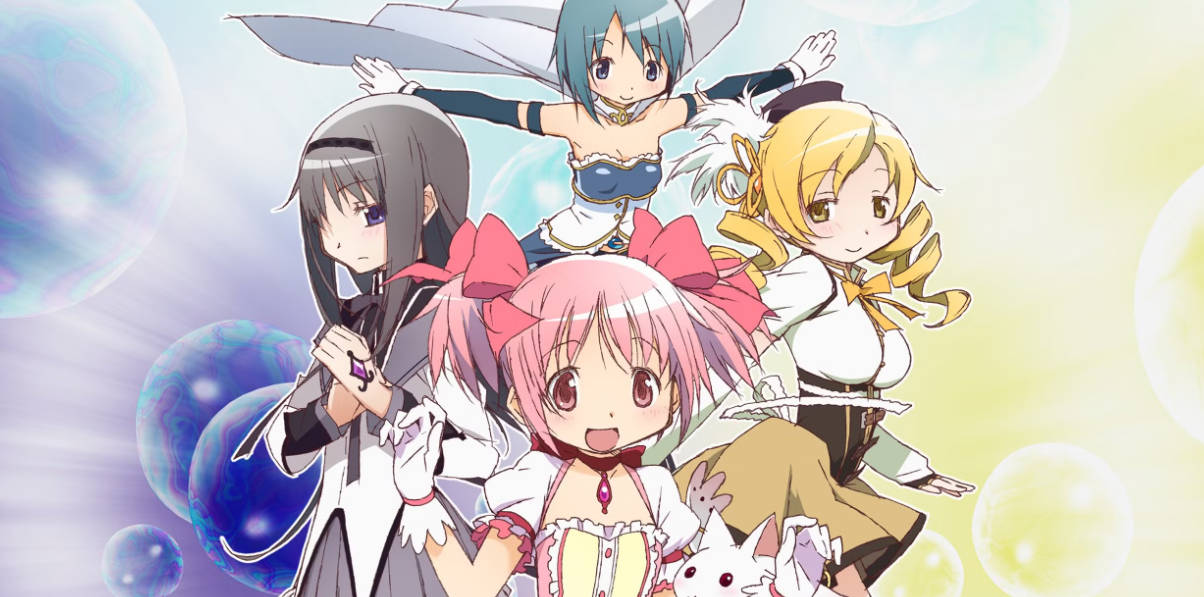
The Enchanting World of Magical Girl Anime
Magical girl anime, known as “mahou shoujo” in Japanese, is one of the most beloved and enduring genres in anime history. Combining elements of fantasy, adventure, and coming-of-age stories, magical girl anime has captivated audiences of all ages for decades.
The Origins of Magical Girl Anime
The roots of magical girl anime can be traced back to the early 1960s, with series that featured young girls with magical powers:
- Sally the Witch (1966-1968): Often considered the first magical girl anime, about a young witch who comes to Earth
- Himitsu no Akko-chan (1969-1970): Featured a young girl with a magical compact that allowed her to transform
These early series established many tropes that would become central to the genre, including transformation sequences, magical items, and the balance between ordinary life and magical responsibilities.
The Classic Era (1980s-1990s)
The 1980s and 1990s marked the classic era of magical girl anime, with series that defined the genre’s conventions:
- Creamy Mami, the Magic Angel (1983-1984): Introduced the concept of a young girl transforming into an older, famous version of herself
- Sailor Moon (1992-1997): The most iconic magical girl series, featuring a team of girls who transform to fight evil
- Cardcaptor Sakura (1998-2000): Combined magical girl elements with card-collecting gameplay
Sailor Moon was particularly influential, introducing the concept of a team of magical girls with different powers and personalities. It also tackled more mature themes than previous series, including love, friendship, and sacrifice.
The 2000s: Deconstruction and Expansion
The 2000s saw magical girl anime undergo significant changes, with series that deconstructed genre conventions and expanded the genre’s appeal:
- Pretty Cure (2004-present): A long-running franchise that combines magical girl elements with action-packed fight scenes
- Puella Magi Madoka Magica (2011): A dark deconstruction of the genre that explores the consequences of making wishes
- Sailor Moon Crystal (2014-2016): A reboot of the classic series with updated animation
Puella Magi Madoka Magica was particularly groundbreaking, subverting many of the genre’s tropes and introducing darker, more mature themes. This series demonstrated that magical girl anime could be complex, thought-provoking, and appeal to older audiences.
Modern Magical Girl Anime (2010s-Present)
In recent years, magical girl anime has continued to evolve, with series that blend traditional elements with new approaches:
- Yuki Yuna is a Hero (2014): Combines magical girl elements with darker themes and a focus on friendship
- Magical Girl Raising Project (2016): A survival game-themed magical girl series
- Release the Spyce (2018): Blends magical girl elements with spy action
- Magia Record: Puella Magi Madoka Magica Side Story (2020): A spin-off of the popular Madoka Magica series
Modern magical girl anime often incorporates elements from other genres, such as action, horror, and science fiction, while still maintaining the core elements that make the genre beloved.
Key Elements of Magical Girl Anime
Despite its evolution, magical girl anime typically includes several key elements:
- Transformation Sequences: Elaborate scenes where the protagonist transforms from an ordinary girl into a magical girl
- Magical Items: Special objects that grant powers or aid in transformation
- Dual Identities: The struggle to balance ordinary life with magical responsibilities
- The Power of Friendship: Themes of teamwork and the strength of bonds between characters
- Coming-of-Age Themes: Exploration of adolescence, identity, and personal growth
The Cultural Impact of Magical Girl Anime
Magical girl anime has had a profound impact on global popular culture, influencing everything from fashion to other forms of media:
- Fashion: The iconic costumes of magical girls have inspired fashion trends and cosplay
- Merchandise: Magical girl series generate significant revenue through toys, clothing, and other merchandise
- Influence on Western Media: Shows like Winx Club and Star vs. the Forces of Evil draw inspiration from magical girl anime
- Empowerment: Many magical girl series promote themes of female empowerment and self-confidence
The Appeal of Magical Girl Anime
Magical girl anime appeals to audiences of all ages for several reasons:
- Escapism: The fantasy elements allow viewers to escape into a magical world
- Relatability: Despite the fantasy elements, the characters’ struggles with identity and relationships are relatable
- Inspiration: The themes of empowerment and overcoming challenges inspire viewers
- Nostalgia: For older viewers, magical girl anime evokes fond memories of childhood
The Future of Magical Girl Anime
As anime continues to evolve, magical girl anime is likely to remain a beloved genre, adapting to changing tastes and trends. We can expect to see more diverse representations of magical girls, blending with other genres, and exploring new themes and storytelling approaches.
At its core, however, magical girl anime will likely remain focused on the universal themes of friendship, courage, and self-discovery that have made it so beloved for generations.
Conclusion
From its origins in the 1960s to its modern iterations, magical girl anime has proven to be a versatile and enduring genre. It has evolved from simple fantasy stories to complex narratives that explore deep themes, all while maintaining its core appeal: ordinary girls who transform into extraordinary heroines.
Whether you’re a fan of the classic series like Sailor Moon and Cardcaptor Sakura, the darker deconstructions like Puella Magi Madoka Magica, or the modern hybrids that blend multiple genres, there’s a magical girl anime out there for everyone. So why not embrace your inner magical girl and dive into this enchanting genre?