Mecha Anime: The Evolution of Giant Robots
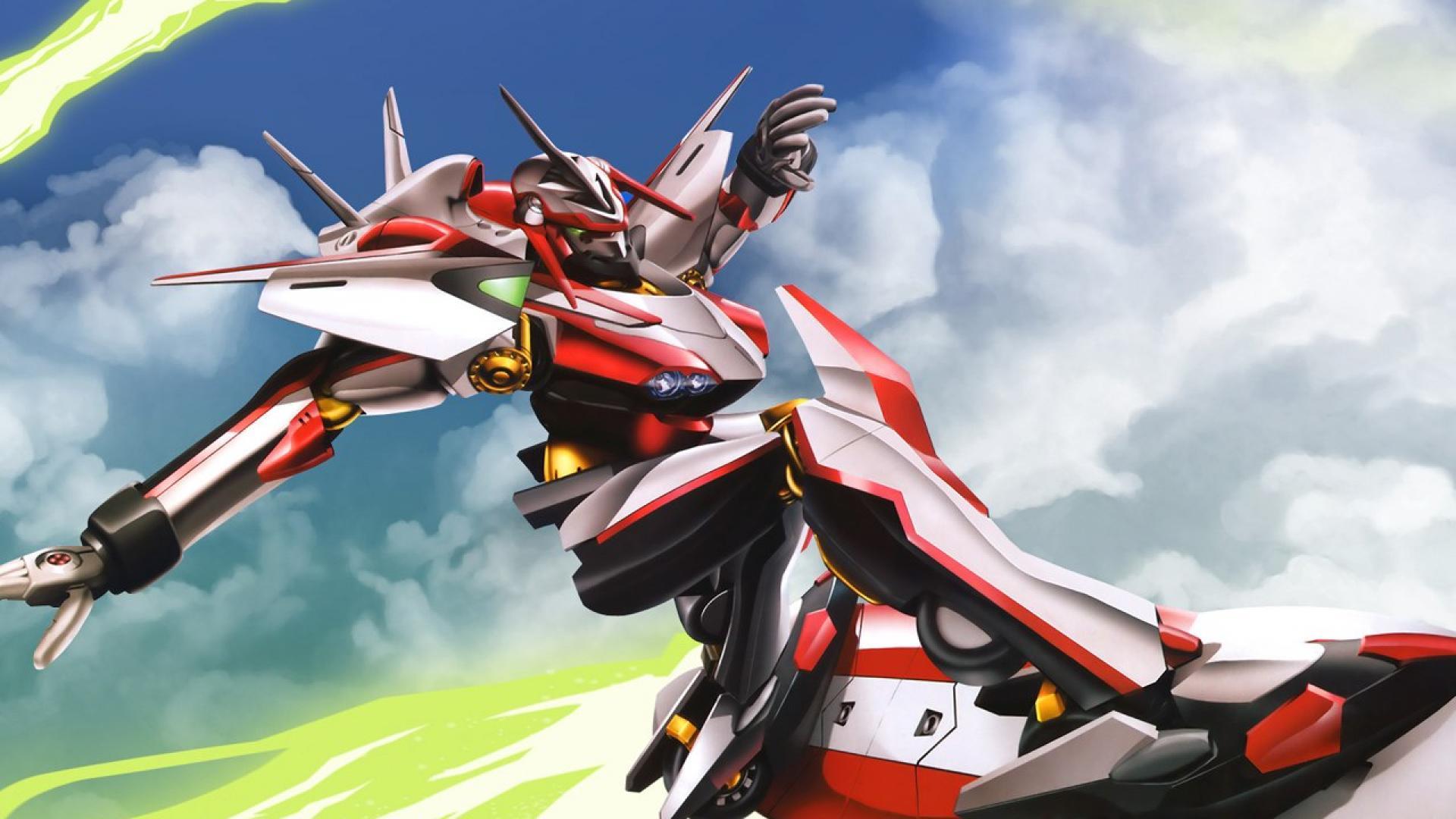
The Fascinating World of Mecha Anime
Mecha anime has been a staple of the anime genre for decades, captivating audiences with its larger-than-life robots, epic battles, and complex themes. From its humble beginnings to its modern iterations, mecha anime has evolved significantly, reflecting changes in technology, society, and storytelling trends.
The Origins of Mecha Anime
The roots of mecha anime can be traced back to the early 20th century, with influences from science fiction literature and manga. However, it wasn’t until the 1960s that mecha anime truly took off.
Tetsuwan Atom (Astro Boy) (1963), created by Osamu Tezuka, is often considered the first significant anime to feature robotic characters, though it wasn’t focused solely on giant robots. The true birth of mecha anime came with Mazinger Z (1972), created by Go Nagai. This groundbreaking series introduced the concept of a human piloting a giant robot, a trope that would become central to the genre.
The Golden Age of Mecha (1970s-1980s)
The 1970s and 1980s marked the golden age of mecha anime, with numerous iconic series that established the genre’s conventions:
- Mazinger Z (1972): The first super robot anime, featuring a giant robot piloted by a human
- Getter Robo (1974): Introduced combining robots that could transform into different forms
- Mobile Suit Gundam (1979): Revolutionized the genre with realistic robots and complex political themes
Mobile Suit Gundam was particularly influential, shifting the genre from “super robots” (fantastical, powerful machines) to “real robots” (more realistic, military-style machines). This series introduced themes of war, politics, and the human cost of conflict, elevating mecha anime beyond simple action fare.
The 1990s: Deconstruction and Innovation
The 1990s saw mecha anime undergo significant changes, with series that deconstructed genre conventions and introduced new storytelling approaches:
- Neon Genesis Evangelion (1995): A psychological drama that used mecha as a backdrop for exploring existential themes
- Gundam Wing (1995): Brought mecha anime to a global audience through its airing on Cartoon Network
- The Vision of Escaflowne (1996): Blended mecha with fantasy elements and romance
Neon Genesis Evangelion, in particular, redefined what mecha anime could be, focusing on the psychological struggles of its characters rather than just robot battles. This series remains one of the most influential anime of all time.
Modern Mecha Anime (2000s-Present)
In recent years, mecha anime has continued to evolve, incorporating new technologies and storytelling approaches:
- Code Geass (2006-2008): Combined mecha with political intrigue and strategic warfare
- Tengen Toppa Gurren Lagann (2007): Returned to the super robot roots with over-the-top action and positivity
- Darling in the FranXX (2018): Explored themes of adolescence and relationships through mecha
- Mobile Suit Gundam: Iron-Blooded Orphans (2015-2017): Addressed issues of child soldiers and corporate exploitation
Modern mecha anime often blends elements from other genres, such as romance, comedy, and even slice-of-life, while still delivering the epic robot battles that fans love.
Key Elements of Mecha Anime
Despite its evolution, mecha anime typically includes several key elements:
- Giant Robots: The central feature, ranging from realistic military machines to fantastical super robots
- Pilots: Human characters who control the robots, often with personal struggles and growth arcs
- Themes of Identity: Exploration of the relationship between humans and machines
- Social Commentary: Often addressing issues like war, technology, and power
- Epic Battles: Spectacular action sequences that showcase the robots’ capabilities
The Cultural Impact of Mecha Anime
Mecha anime has had a profound impact on global popular culture, influencing everything from other animated series to live-action films, video games, and even real-world technology.
- Influence on Western Media: Films like Pacific Rim and Transformers draw heavily from mecha anime
- Video Games: Series like Armored Core, Zone of the Enders, and MechWarrior are direct descendants of mecha anime
- Technological Inspiration: Some robotics researchers have cited mecha anime as inspiration for their work
The Future of Mecha Anime
As technology continues to advance, mecha anime is poised to evolve in exciting new ways. With the rise of CGI animation, we can expect even more visually stunning robot battles. Virtual reality and augmented reality technologies may also open up new possibilities for storytelling and viewer engagement.
At its core, however, mecha anime will likely remain focused on the human element—exploring our relationship with technology, our place in the world, and the enduring appeal of giant robots battling it out on the big screen.
Conclusion
From its origins in the 1960s to its modern iterations, mecha anime has proven to be a versatile and enduring genre. It has evolved from simple action fare to complex storytelling that explores deep themes and emotions, all while maintaining its core appeal: giant robots battling in epic conflicts.
Whether you’re a fan of the classic super robots of the 1970s, the politically charged real robots of the 1980s, or the innovative modern series that blend multiple genres, there’s a mecha anime out there for everyone. So why not dive into this fascinating genre and discover the joy of giant robots for yourself?