Naruto Shippuden: The Journey of a Ninja
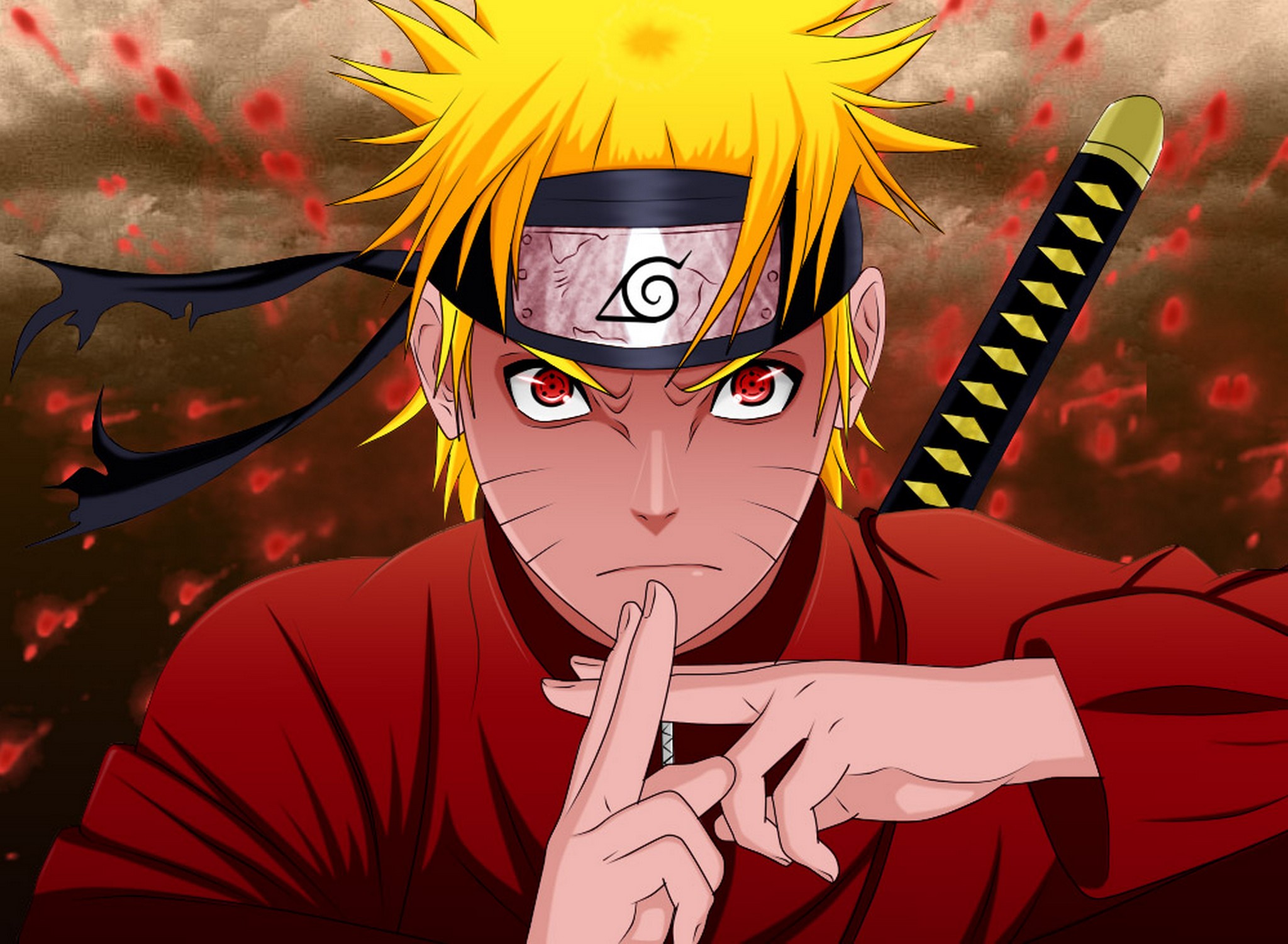
The Epic Saga of Naruto Uzumaki
Naruto Shippuden stands as one of the most popular and influential anime series of all time. Based on the manga by Masashi Kishimoto, this ninja epic has captivated audiences worldwide with its compelling storytelling, memorable characters, and powerful themes. From its emotional character arcs to its intense battles, Naruto Shippuden has earned its place as a modern classic of the shonen genre.
The Premise: The Return of Naruto
Naruto Shippuden is the sequel to the original Naruto series, continuing the story of Naruto Uzumaki:
- Two and a Half Years Later: Set two and a half years after the events of Naruto, with Naruto returning to the Hidden Leaf Village after training with Jiraiya
- Akatsuki Threat: The series focuses on the threat posed by the Akatsuki, a criminal organization seeking to capture all the tailed beasts
- Character Growth: Naruto and his friends have grown stronger and more mature
- Rinnegan: The introduction of the Rinnegan, one of the three great dōjutsu
- Fourth Great Ninja War: A massive conflict that involves all the ninja villages
- Sasuke’s Journey: The parallel story of Sasuke Uchiha as he seeks revenge against his brother Itachi
This premise sets the stage for a series of increasingly epic conflicts that test the characters’ strength and resolve.
The Characters: Growth and Redemption
Naruto Shippuden features a rich cast of characters who undergo significant growth and development:
- Naruto Uzumaki: Evolves from a brash, impulsive ninja to a mature leader
- Sasuke Uchiha: Gradually comes to terms with his past and his relationship with Naruto
- Sakura Haruno: Develops from a love-struck girl to a skilled medical ninja
- Kakashi Hatake: The Sixth Hokage, burdened by his past but dedicated to protecting the village
- Jiraiya: Naruto’s mentor, the legendary Sannin with a tragic past
- Itachi Uchiha: Sasuke’s brother, a complex character with a secret mission
- Pain/Nagato: The leader of the Akatsuki, driven by a desire to end suffering
These characters and many others are brought to life through expressive animation and memorable voice acting, making their journeys deeply compelling.
The Animation: Dynamic and Emotional
Naruto Shippuden is known for its dynamic animation and emotional storytelling:
- Studio Pierrot’s Work: Produced by Studio Pierrot, known for its work on long-running shonen series
- Action Sequences: Fluid, intense action scenes that showcase the characters’ jutsu
- Summoning Jutsu: Impressive summonings of giant creatures
- Sharingan and Rinnegan: Visually striking depictions of the dōjutsu
- Emotional Moments: Expressive character animation that captures the series’ emotional depth
- World Design: Detailed depictions of the various ninja villages and landscapes
The animation quality enhances the series’ emotional impact and makes the battle scenes particularly thrilling.
The Story: Arcs and Character Development
Naruto Shippuden is divided into several major story arcs, each featuring new challenges and character development:
- Kazekage Rescue Arc: Naruto and his team rescue Gaara from the Akatsuki
- Tenchi Bridge Reconnaissance Mission Arc: Naruto encounters Orochimaru and Sasuke
- Akatsuki Suppression Mission Arc: The Konoha 11 face various Akatsuki members
- Three-Tailed Demon Turtle Arc: Naruto and his team encounter the Three-Tails
- Itachi Pursuit Mission Arc: Sasuke confronts his brother Itachi
- Pain’s Assault Arc: The Akatsuki leader Pain attacks the Hidden Leaf Village
- Five Kage Summit Arc: The five Kage meet to discuss the Akatsuki threat
- Fourth Great Ninja War Arc: The climax of the series, featuring a massive conflict between the ninja alliance and the Akatsuki
Each arc builds upon the previous one, expanding the series’ world and developing the characters.
The Music: Emotional Resonance and Epic Scope
The music of Naruto Shippuden plays a crucial role in its impact:
- Yasuharu Takanashi’s Score: The composer creates a distinctive soundtrack that ranges from emotional to epic
- Opening Themes: Features numerous memorable opening themes, including “Blue Bird” by Ikimono-gakari and “Silhouette” by KANA-BOON
- Ending Themes: Includes a variety of closing themes that complement the series’ tone
- Character Themes: Distinctive themes for major characters and organizations
- Emotional Cues: Music that perfectly complements the series’ emotional moments
- Battle Music: Epic music that enhances the intensity of the series’ many battles
The music of Naruto Shippuden has become as beloved as the series itself, with soundtracks that fans continue to listen to.
The Themes: Friendship, Redemption, and Peace
Naruto Shippuden explores several powerful themes that have resonated with audiences:
- Friendship: The bond between Naruto and Sasuke is a central theme of the series
- Redemption: Many characters, including Gaara and Nagato, undergo redemption arcs
- Peace: The series explores the meaning of true peace and how to achieve it
- Sacrifice: Features moments of self-sacrifice for the greater good
- Legacy: Explores the impact of past generations on the present
- Acceptance: Emphasizes the importance of accepting oneself and others
These themes give Naruto Shippuden a depth that goes beyond its action elements, making it more than just a series of battles.
The Voice Acting: Exceptional Performances
The voice acting in Naruto Shippuden is exceptional in both the Japanese and English versions:
- Japanese Cast: Junko Takeuchi as Naruto, Noriaki Sugiyama as Sasuke, Chie Nakamura as Sakura
- English Cast: Maile Flanagan as Naruto, Yuri Lowenthal as Sasuke, Kate Higgins as Sakura
- Casting Excellence: Both versions feature actors who have portrayed the characters for many years
- Emotional Range: The actors effectively convey the characters’ emotions, from joy to grief
- Consistency: The voice actors have maintained consistent performances throughout the series’ long run
The voice acting performances have become an integral part of the series’ identity, with many fans unable to imagine the characters with any other voices.
The Impact: Global Phenomenon
Naruto Shippuden has had a profound impact on the anime industry and popular culture:
- Global Popularity: Has gained a massive international following, with fans of all ages
- Manga Sales: The original manga has sold over 250 million copies worldwide
- Anime Longevity: Aired for over 500 episodes, making it one of the longest-running anime series
- Merchandise Empire: Spawned a vast array of merchandise, from action figures to clothing to video games
- Influence on Other Series: Has influenced countless subsequent shonen anime series
- Cultural Impact: Has become a cultural touchstone that continues to resonate with audiences worldwide
Naruto Shippuden has become a global phenomenon that has left an indelible mark on popular culture.
The Ninja World: Rich Lore and World-Building
Naruto Shippuden features rich world-building that creates a fully realized ninja world:
- Five Great Ninja Villages: Konohagakure, Sunagakure, Kumogakure, Kirigakure, and Iwagakure
- Tailed Beasts: Powerful creatures with varying numbers of tails, sealed within jinchūriki
- Chakra System: A well-developed system of chakra and jutsu
- Shinobi Ranks: A hierarchy of ninja ranks from genin to kage
- Clans: Powerful ninja clans with unique abilities, such as the Uchiha and Hyuga
- History: A complex history of wars and alliances between the ninja villages
This detailed world-building makes the series feel immersive and realistic, despite its fantastical elements.
Why You Should Watch Naruto Shippuden
Naruto Shippuden is essential viewing for any anime fan or anyone interested in epic storytelling:
- Emotional Journey: A deeply emotional story about friendship, redemption, and growth
- Epic Battles: Features some of the most intense and visually impressive battles in anime
- Memorable Characters: Well-developed characters with compelling backstories
- Thematic Depth: Thought-provoking themes about peace, war, and humanity
- World-Building: A rich, immersive ninja world with its own lore and history
- Cultural Significance: A series that has left an indelible mark on popular culture
Whether you’re a longtime anime fan or new to the medium, Naruto Shippuden offers an experience that is both entertaining and emotionally resonant.
Conclusion
Naruto Shippuden is more than just an anime series—it’s a cultural phenomenon that has captured the hearts of audiences worldwide. Through its compelling storytelling, memorable characters, and powerful themes, it has become one of the most beloved and influential anime series of all time.
Masashi Kishimoto’s masterful character development and world-building have created a series that feels both epic in scope and intimate in its character interactions. The journey of Naruto Uzumaki from a lonely outcast to the Seventh Hokage has inspired millions of fans around the world.
Naruto Shippuden has proven that a shonen series can be both commercially successful and artistically ambitious. Its ability to balance action, humor, and emotional depth has made it accessible to audiences of all ages and backgrounds.
As the series concluded and gave way to its sequel Boruto: Naruto Next Generations, its legacy remains secure. Naruto Shippuden will be remembered as a classic of the shonen genre, a series that taught us about the power of friendship, the importance of redemption, and the true meaning of peace.
Naruto Shippuden is not just an anime series—it’s a journey that reminds us that no matter how difficult the path may be, with determination and the support of friends, we can overcome any obstacle and achieve our dreams.