Sci-Fi Anime: Exploring the Final Frontier
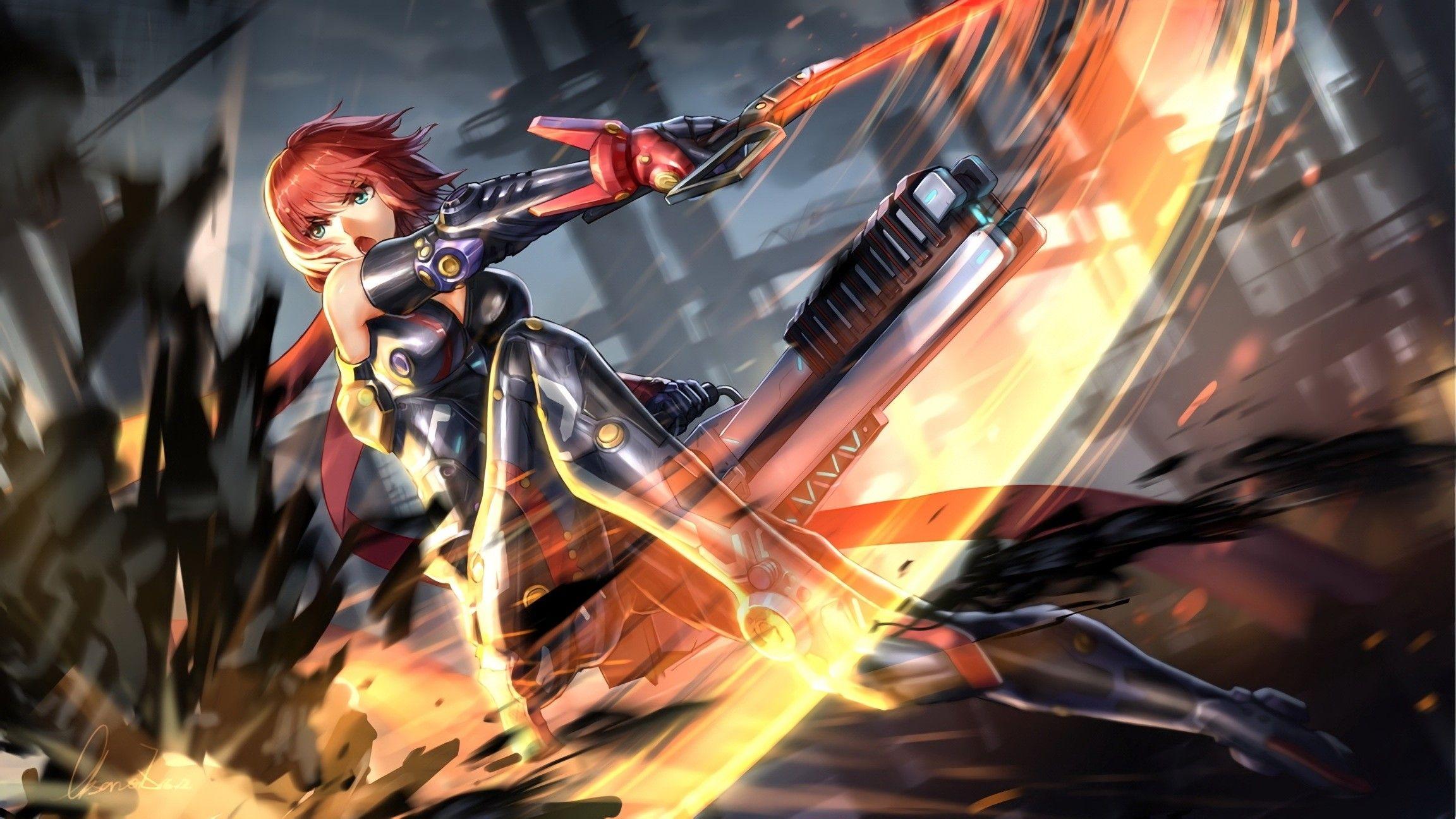
The Vast Universe of Sci-Fi Anime
Science fiction anime has long been a cornerstone of the medium, offering audiences immersive worlds, thought-provoking concepts, and breathtaking visuals. From space operas to cyberpunk dystopias, sci-fi anime explores the boundaries of human imagination and the possibilities of the future.
The Origins of Sci-Fi Anime
The roots of sci-fi anime can be traced back to the early days of Japanese animation, with influences from Western science fiction literature and film:
- Tetsuwan Atom (Astro Boy) (1963): Osamu Tezuka’s iconic series about a robot boy with superpowers
- Space Battleship Yamato (1974-1975): A groundbreaking space opera that popularized the genre
- Mobile Suit Gundam (1979): A revolutionary mecha series with realistic science fiction elements
These early series established many of the conventions that would define sci-fi anime, including space travel, advanced technology, and philosophical themes.
Space Operas: Epic Adventures Among the Stars
Space operas are one of the most popular subgenres of sci-fi anime, featuring epic adventures set in vast, immersive universes:
- Space Battleship Yamato: The story of a crew on a mission to save Earth
- Legend of the Galactic Heroes (1988-1997): A complex political space opera about the struggle between two galactic empires
- Cowboy Bebop (1998-1999): A genre-blending series about bounty hunters in the solar system
- Planetes (2003-2004): A hard sci-fi series about debris collectors in Earth orbit
These series often explore themes of war, politics, and the human condition against the backdrop of space travel and interstellar conflict.
Cyberpunk: Dystopian Futures and Digital Realities
Cyberpunk is another major subgenre of sci-fi anime, focusing on dystopian futures, advanced technology, and the relationship between humans and machines:
- Akira (1988): A groundbreaking film set in a post-apocalyptic Neo-Tokyo
- Ghost in the Shell (1995): Explores the nature of consciousness in a world where humans can merge with machines
- Serial Experiments Lain (1998): A psychological drama about identity in the digital age
- Ergo Proxy (2006): A post-apocalyptic series that explores existential themes
Cyberpunk anime often tackles complex philosophical questions about identity, consciousness, and the impact of technology on society.
Mecha Sci-Fi: Robots and Warfare
Mecha anime is closely tied to the sci-fi genre, featuring giant robots in futuristic settings:
- Mobile Suit Gundam: The iconic series that revolutionized mecha anime
- Neon Genesis Evangelion (1995): A psychological drama that uses mecha as a backdrop
- Code Geass (2006-2008): A political thriller with mecha battles
- Aldnoah.Zero (2014-2015): A war story set between Earth and Mars
Mecha sci-fi often explores themes of war, technology, and the human cost of conflict.
Time Travel and Alternate Dimensions
Time travel and alternate dimensions are popular themes in sci-fi anime, offering endless storytelling possibilities:
- Steins;Gate (2011): A thriller about time travel and its consequences
- The Melancholy of Haruhi Suzumiya (2006): Features time travelers and alternate dimensions
- Re:Zero − Starting Life in Another World (2016): A isekai series with time loop elements
- Doctor Who (2005-present): While not anime, it has influenced many anime series about time travel
These series often explore themes of fate, free will, and the consequences of our actions.
Hard Sci-Fi: Realistic Science and Technology
Hard sci-fi anime emphasizes scientific accuracy and realistic technology:
- Planetes: Focuses on the challenges of space debris collection
- Gundam 0080: War in the Pocket (1989): A realistic portrayal of the human cost of war
- Knights of Sidonia (2014-2015): Features realistic space travel and colony life
- Space Brothers (2012-2014): A realistic portrayal of astronauts and space exploration
Hard sci-fi anime often educates viewers about real scientific concepts while telling engaging stories.
The Cultural Impact of Sci-Fi Anime
Sci-fi anime has had a profound impact on global popular culture:
- Influence on Western Media: Films like The Matrix and Pacific Rim draw inspiration from sci-fi anime
- Technological Inspiration: Some sci-fi anime concepts have influenced real-world technology
- Philosophical Exploration: Sci-fi anime often explores deep philosophical questions about humanity and the future
- Visual Innovation: Sci-fi anime has pushed the boundaries of animation technology and visual storytelling
The Future of Sci-Fi Anime
As technology continues to advance, sci-fi anime is poised to evolve in exciting new ways:
- Virtual Reality: VR technology may allow for new immersive storytelling experiences
- Artificial Intelligence: AI may influence both the themes and production of sci-fi anime
- Space Exploration: Real-world space missions may inspire new sci-fi anime concepts
- Climate Change: Environmental themes may become more prominent in sci-fi anime
At its core, however, sci-fi anime will likely remain focused on exploring the human condition against the backdrop of advanced technology and futuristic settings.
Conclusion
From space operas to cyberpunk dystopias, sci-fi anime offers a vast and diverse range of stories that explore the boundaries of human imagination. It has evolved from simple space adventures to complex narratives that tackle deep philosophical questions, all while pushing the boundaries of animation technology.
Whether you’re a fan of epic space battles, thought-provoking cyberpunk, or realistic hard sci-fi, there’s a sci-fi anime out there for everyone. So why not embark on a journey to the final frontier and discover the wonders of sci-fi anime?