Studio Ghibli: The Masters of Animated Storytelling
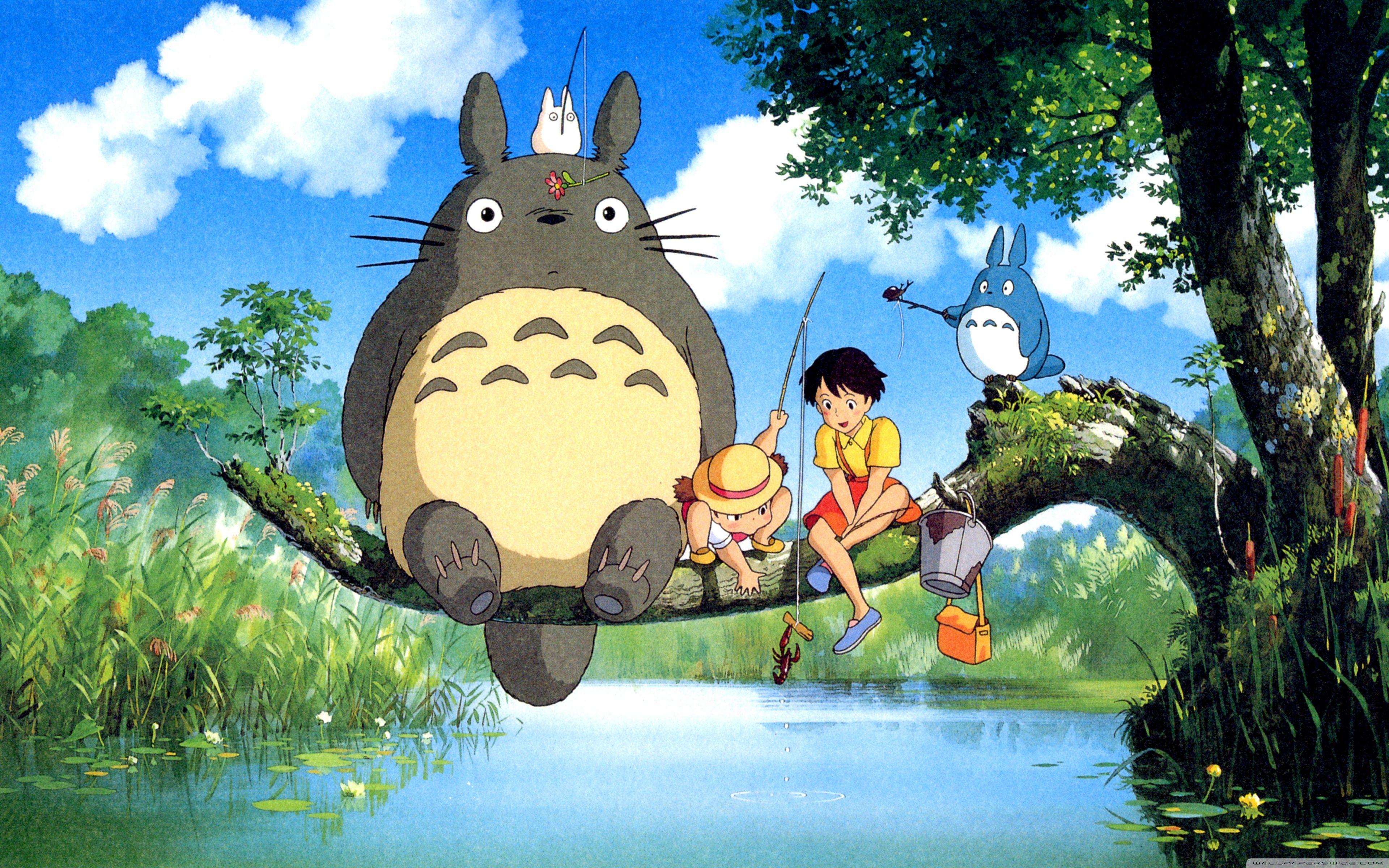
The Enchanting World of Studio Ghibli
Studio Ghibli is widely regarded as one of the greatest animation studios in the world, responsible for some of the most beloved and critically acclaimed animated films of all time. Founded in 1985 by Hayao Miyazaki, Isao Takahata, and Toshio Suzuki, the studio has created a distinctive body of work that combines beautiful animation, compelling storytelling, and profound themes that resonate with audiences of all ages.
The Founding of Studio Ghibli
Studio Ghibli’s origins can be traced back to the success of Hayao Miyazaki’s film Nausicaä of the Valley of the Wind (1984):
- Pre-Ghibli Collaborations: Miyazaki and Takahata had previously worked together at Toei Animation and Nippon Animation
- Nausicaä’s Success: The critical and commercial success of Nausicaä provided the financial foundation for the new studio
- Name Origin: The studio was named after an Italian World War II reconnaissance aircraft, reflecting Miyazaki’s love of aviation
- Early Team: Joined by producer Toshio Suzuki, composer Joe Hisaishi, and other talented animators
- Philosophy: From the beginning, the studio emphasized original storytelling and high-quality animation
This founding team would go on to create some of the most iconic films in animation history.
Hayao Miyazaki: The Visionary
Hayao Miyazaki is the most famous figure associated with Studio Ghibli, known for his distinctive visual style and storytelling approach:
- Early Career: Worked as an animator at Toei Animation before directing his first feature film, The Castle of Cagliostro (1979)
- Themes and Recurring Elements: Environmentalism, flight, strong female characters, and the clash between tradition and modernity
- Visual Style: Rich, detailed backgrounds, fluid animation, and a focus on natural beauty
- Directorial Approach: Hands-on involvement in every aspect of production, from storyboards to character design
- Notable Films: My Neighbor Totoro (1988), Princess Mononoke (1997), Spirited Away (2001), Howl’s Moving Castle (2004)
- Retirement and Comeback: Announced retirement multiple times but continues to work on new projects
Miyazaki’s unique vision has been the driving force behind many of Studio Ghibli’s most successful films.
Isao Takahata: The Storyteller
Isao Takahata was Miyazaki’s longtime collaborator and Studio Ghibli’s other founding director:
- Early Career: Worked as a director at Toei Animation, where he mentored a young Miyazaki
- Directorial Style: More grounded and realistic than Miyazaki, with a focus on human drama and social issues
- Notable Films: Grave of the Fireflies (1988), Only Yesterday (1991), Pom Poko (1994), The Tale of the Princess Kaguya (2013)
- Technical Innovations: Experimented with different animation styles, including watercolor-inspired animation in The Tale of the Princess Kaguya
- Thematic Concerns: Memory, childhood, and the passage of time
- Legacy: Regarded as one of Japan’s greatest animation directors, his work complemented Miyazaki’s more fantastical films
Takahata passed away in 2018, leaving behind a legacy of emotionally powerful and visually distinctive films.
The Studio Ghibli Aesthetic
Studio Ghibli films are known for their distinctive visual and storytelling style:
- Hand-Drawn Animation: The studio has remained committed to traditional hand-drawn animation, even as CGI has become dominant
- Attention to Detail: Meticulously detailed backgrounds and character designs
- Natural Beauty: A reverence for nature and the environment, often depicted in loving detail
- Character Design: Expressive, realistic characters with distinct personalities
- Pacing: More deliberate than many Western animated films, allowing time for quiet moments and character development
- World-Building: Rich, immersive worlds that feel fully realized
This aesthetic has become instantly recognizable and has influenced animators around the world.
The Music of Studio Ghibli
Music plays a crucial role in Studio Ghibli films, thanks to the long-standing collaboration with composer Joe Hisaishi:
- Joe Hisaishi: Composed the scores for most of Miyazaki’s films, creating iconic themes that are instantly recognizable
- Musical Style: Melodic, emotional scores that range from whimsical to epic
- Integration with Animation: Music that perfectly complements the visuals and emotional tone of each scene
- Standalone Appeal: Soundtracks that are beloved independently of the films
- Collaborative Process: Hisaishi often works closely with Miyazaki during the early stages of production
The music of Studio Ghibli is as much a part of its identity as its visual style.
Studio Ghibli’s Impact on Animation
Studio Ghibli has had a profound impact on the animation industry worldwide:
- Raising the Bar: Demonstrated that animated films could tackle complex themes and appeal to audiences of all ages
- Inspiring Animators: Influenced a generation of animators, including Pixar’s John Lasseter
- Global Recognition: Brought Japanese animation to a mainstream Western audience
- Critical Acclaim: Multiple Academy Award nominations and wins, including Spirited Away’s Best Animated Feature Oscar in 2003
- Commercial Success: Some of the highest-grossing films in Japanese history
- Cultural Exchange: Introduced Japanese culture and aesthetics to global audiences
Studio Ghibli’s success has helped establish animation as a serious art form beyond its entertainment value.
The Studio Ghibli Museum
The Studio Ghibli Museum in Tokyo is a testament to the studio’s creativity and cultural impact:
- Opening: Opened in 2001 in Mitaka, Tokyo
- Design: Designed by Miyazaki himself, with a whimsical, fairy-tale aesthetic
- Exhibits: Interactive exhibits on animation techniques, original artwork, and Studio Ghibli history
- Short Films: Exclusive short films that can only be seen at the museum
- Atmosphere: A magical space that feels like it’s been lifted from a Studio Ghibli film
- Popularity: One of Tokyo’s most popular tourist attractions, requiring advance ticket purchase
The museum offers fans a unique opportunity to immerse themselves in the world of Studio Ghibli.
Challenges and Transitions
Studio Ghibli has faced several challenges over the years:
- Director Succession: Finding new directors to replace Miyazaki and Takahata as they aged
- Financial Pressures: The high cost of hand-drawn animation in an increasingly CGI-dominated industry
- Changing Audience Tastes: Adapting to changing preferences among younger audiences
- Temporary Hiatus: Announced a hiatus in 2014 after Miyazaki’s retirement, though it was later reversed
- New Leadership: The appointment of Kiyofumi Nakajima as president in 2020, bringing new business strategies
Despite these challenges, Studio Ghibli has remained committed to its artistic vision.
The Future of Studio Ghibli
Studio Ghibli continues to evolve and look toward the future:
- New Directors: Films directed by younger animators like Hiromasa Yonebayashi (Arrietty, When Marnie Was There)
- Hayao Miyazaki’s Return: Miyazaki came out of retirement to work on How Do You Live? (2023)
- Streaming Deals: Partnership with Netflix to stream Studio Ghibli films outside of Japan
- Theme Parks: The planned Ghibli Park in Aichi Prefecture, scheduled to open in phases
- Preserving Legacy: Efforts to preserve and archive the studio’s extensive collection of artwork and materials
- Innovation: Experimenting with new technologies while maintaining the hand-drawn aesthetic
The future of Studio Ghibli looks bright, with a balance of honoring its legacy and embracing new possibilities.
Studio Ghibli’s Enduring Legacy
Studio Ghibli’s legacy extends far beyond its films:
- Cultural Icon: Recognized as a symbol of Japanese creativity and craftsmanship
- Educational Value: Used in schools to teach animation, storytelling, and Japanese culture
- Environmental Advocacy: Raised awareness about environmental issues through its films
- Feminist Representation: Pioneered strong, complex female characters in animation
- Timeless Stories: Films that continue to resonate with new generations of viewers
- Global Community: A worldwide fan base that transcends cultural and linguistic boundaries
Studio Ghibli has created a body of work that will be cherished for generations to come, solidifying its place as one of the greatest animation studios in history.
Conclusion
Studio Ghibli’s journey from a small startup to a global animation powerhouse is a testament to the power of creativity, collaboration, and a commitment to artistic excellence. Through the vision of Hayao Miyazaki, Isao Takahata, and their talented team, the studio has created a unique body of work that combines beautiful animation with profound storytelling.
From the whimsical wonder of My Neighbor Totoro to the epic conflict of Princess Mononoke, from the magical world of Spirited Away to the poignant drama of Grave of the Fireflies, Studio Ghibli films have touched the hearts of audiences around the world.
As Studio Ghibli continues to evolve and create new works, it remains true to its founding principles: a dedication to original storytelling, high-quality animation, and themes that resonate with the human experience. Its legacy is not just in the films it has created, but in the way it has inspired animators, filmmakers, and audiences to see the world with more wonder, compassion, and respect for the natural world.
Studio Ghibli is more than just an animation studio—it’s a cultural institution that has enriched the world through the art of animation.