The Evolution of Japanese Anime: From Early Days to Modern Era
The Fascinating Journey of Japanese Anime
Japanese anime has evolved dramatically over the past century, transforming from simple short films to a global cultural phenomenon. This journey reflects changes in technology, society, and artistic expression, while maintaining a unique identity that sets it apart from other forms of animation.
The Pre-War Era: The Birth of Japanese Animation
The roots of Japanese anime can be traced back to the early 20th century, before the term “anime” was even coined:
- 1907-1913: The first Japanese animated films were created, including Katsudō Shashin (Moving Picture), a short silent film of unknown origin
- Ōten Shimokawa, Jun’ichi Kōuchi, and Seitaro Kitayama: Known as the “Fathers of Anime,” these three artists produced the first commercial animated films in Japan
- 1923 Great Kanto Earthquake: Disrupted the early animation industry, but also led to innovations as artists rebuilt
Early Japanese animation was heavily influenced by Western cartoons, but already began to show distinctive Japanese characteristics in its storytelling and visual style.
The War Era: Propaganda and National Identity
During World War II, the Japanese government utilized animation as a tool for propaganda:
- Momotarō no Umiwashi (Momotaro’s Sea Eagles) (1943): A feature-length animated film depicting Japanese forces defeating American forces
- Momotarō: Umi no Shinpei (Momotaro’s Divine Sea Warriors) (1945): The first full-length anime film, commissioned by the Imperial Japanese Navy
While these films were propaganda, they also represented significant technical advancements in Japanese animation, including more sophisticated storytelling and character development.
The Post-War Era: Rebuilding and Innovation
After the war, Japanese animation began to rebuild and find its own voice:
- Osamu Tezuka: Often called the “God of Manga,” Tezuka revolutionized both manga and anime with his distinctive style and storytelling techniques
- Tetsuwan Atom (Astro Boy) (1963): Tezuka’s iconic series, the first popular anime television show, which introduced the large-eyed character design that would become a staple of anime
- 1960s Expansion: The growth of television led to a boom in anime production, with series like Gigantor (1963) and Speed Racer (1967) gaining international popularity
This era saw anime begin to establish its own identity, moving beyond Western influences to create something uniquely Japanese.
The 1970s: The Rise of Mecha and Genre Diversification
The 1970s marked a period of significant growth and diversification for anime:
- Mazinger Z (1972): Created by Go Nagai, this series introduced the concept of a human piloting a giant robot, establishing the mecha genre
- Mobile Suit Gundam (1979): Created by Yoshiyuki Tomino, this series revolutionized mecha anime with its realistic approach and complex political themes
- Genre Expansion: The 1970s saw the development of multiple anime genres, including sports anime (Ashita no Joe, 1970), magical girl anime (Sally the Witch, 1966), and space operas (Space Battleship Yamato, 1974)
This decade laid the foundation for many of the genres and storytelling techniques that would define anime in the following decades.
The 1980s: The Golden Age of Anime
The 1980s are often considered the golden age of anime, with increased production values, artistic ambition, and international recognition:
- Akira (1988): Katsuhiro Otomo’s groundbreaking film, which pushed the boundaries of animation technology and mature storytelling
- Studio Ghibli: Founded in 1985 by Hayao Miyazaki and Isao Takahata, the studio released classics like Nausicaä of the Valley of the Wind (1984) and My Neighbor Totoro (1988)
- OVA (Original Video Animation): The rise of direct-to-video anime allowed for more experimental and mature content
- International Expansion: Anime began to gain significant popularity in the West, particularly through cable television and home video
The 1980s established anime as a serious art form capable of tackling complex themes and emotions.
The 1990s: Deconstruction and Globalization
The 1990s saw anime undergo significant changes, with series that deconstructed genre conventions and expanded its global reach:
- Neon Genesis Evangelion (1995): Hideaki Anno’s psychological drama that redefined what anime could be, blending mecha action with deep philosophical themes
- Sailor Moon (1992): A global phenomenon that introduced many Western audiences to anime, particularly female viewers
- Pokémon (1997): A multimedia franchise that became a global cultural phenomenon
- Digital Animation: The transition from cel animation to digital techniques began, allowing for new visual possibilities
This decade saw anime truly become a global cultural force, with fans around the world and increasing recognition as a legitimate art form.
The 2000s: Digital Revolution and Mainstream Acceptance
The 2000s brought significant technological changes and increased mainstream acceptance for anime:
- Fullmetal Alchemist (2003): A dark fantasy series that gained widespread acclaim
- Spirited Away (2001): Hayao Miyazaki’s masterpiece, which won the Academy Award for Best Animated Feature
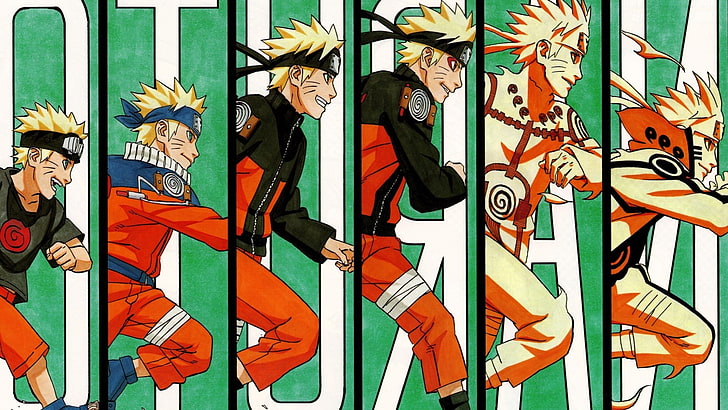
- Naruto (2002): A long-running shonen series that became a global phenomenon
- Streaming Services: The rise of online streaming made anime more accessible than ever before
This decade saw anime become increasingly mainstream, with major Hollywood studios taking notice and collaborations between Japanese and Western creators becoming more common.
The 2010s-Present: Diversity and Innovation
Recent years have brought unprecedented diversity and innovation to anime:
- Demon Slayer: Kimetsu no Yaiba (2019): A visually stunning series that became a cultural phenomenon in Japan and worldwide
- My Hero Academia (2016): A modern take on superheroes that has gained a massive global following
- Attack on Titan (2013): A dark fantasy series that pushed the boundaries of storytelling and animation
- Web Anime: The rise of web-based platforms has allowed for more experimental and niche content
- International Co-Productions: Increased collaboration between Japanese studios and international partners
Today, anime is a global industry worth billions of dollars, with a diverse range of content catering to audiences of all ages and interests.
The Cultural Significance of Japanese Anime
Japanese anime has had a profound impact on global culture:
- Unique Visual Style: The distinctive “anime look” with large eyes, expressive faces, and dynamic action has become instantly recognizable worldwide
- Storytelling Innovation: Anime has pushed the boundaries of what animation can be, tackling mature themes and complex narratives
- Cultural Exchange: Anime has introduced Japanese culture, values, and aesthetics to audiences around the world
- Influence on Other Media: Anime has influenced filmmakers, artists, and writers across the globe
- Community Building: Anime has created vibrant fan communities worldwide, fostering connections between people of different cultures
The Future of Japanese Anime
As we look to the future, Japanese anime faces both challenges and opportunities:
- Technological Advancements: AI-assisted animation, virtual reality, and other technologies may revolutionize production
- Global Competition: Increased competition from Western animation studios
- Changing Demographics: Adapting to changing audience tastes and demographics in Japan and worldwide
- Sustainability: Addressing issues of overwork and sustainability in the anime industry
- Creative Evolution: Continuing to innovate while maintaining the unique identity that makes anime special
Despite these challenges, Japanese anime remains a vibrant and evolving art form with a bright future ahead.
Conclusion
The evolution of Japanese anime is a story of innovation, resilience, and artistic expression. From its humble beginnings as short silent films to its current status as a global cultural phenomenon, anime has continuously pushed the boundaries of what animation can be.
Throughout its history, anime has maintained a unique identity that reflects Japanese culture while appealing to audiences worldwide. It has evolved with changing technology and societal trends, but has始终 remained true to its core: telling compelling stories through the medium of animation.
As we look to the future, Japanese anime is poised to continue its evolution, exploring new technologies, storytelling techniques, and artistic possibilities. Whatever changes lie ahead, one thing is certain: anime will continue to captivate audiences around the world for generations to come.